
Why Leading Steel Ball Manufacturers Are Focusing on G5 Precision Technology?
As China continues to transform its economy from a focus on low-end manufacturing to a more advanced industrial landscape, many steel ball manufacturers are investing in G5 precision technology. This move reflects the broader trend towards higher-quality products and services, driven by both government policy and evolving market demands.
Background: Transitioning to Higher-End Manufacturing
China's rapid economic development and increasing international competitiveness have prompted the government to encourage a shift from low-end manufacturing to more technologically advanced and service-oriented sectors. This strategic direction has opened up new opportunities and challenges for the steel ball manufacturing industry, as companies strive to innovate and improve product quality to meet the growing demand for high-precision steel balls.
The Demand for G5 Precision Steel Balls
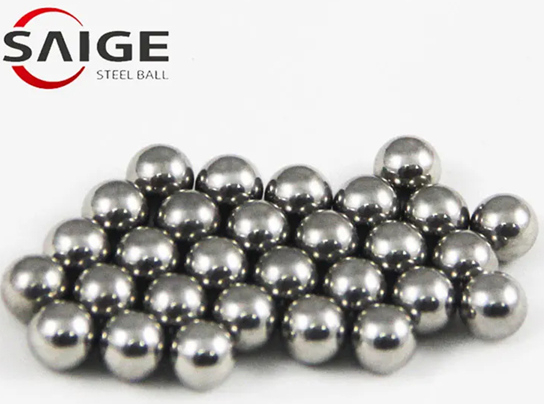
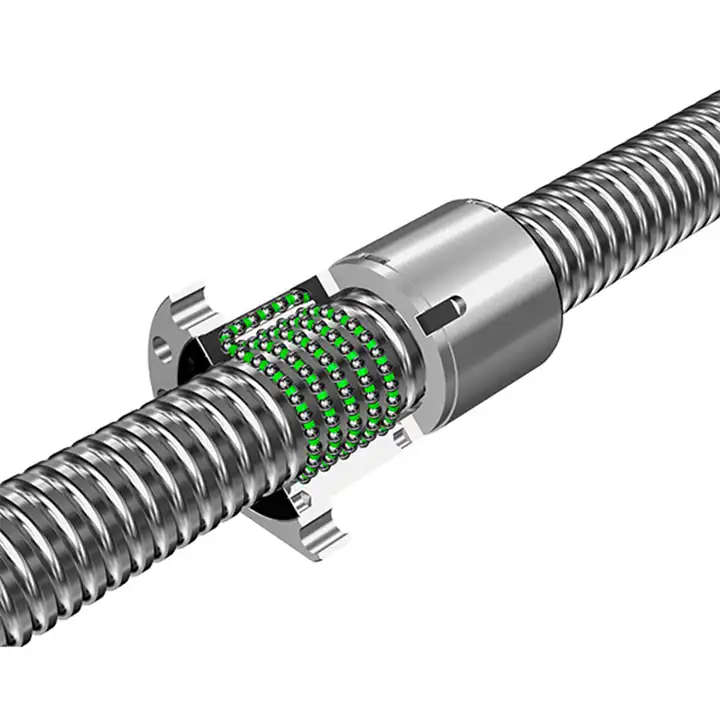
With the increasing automation and sophistication of industrial processes, the demand for higher precision steel balls has grown, especially in sectors such as aerospace and precision machinery. These industries often require G5 grade steel balls, which offer superior precision compared to G10 grade.
Advantages of G5 Over G10
- Precision Level: G5 steel balls exhibit tighter dimensional tolerances, improved roundness, and finer surface finishes compared to G10 grade steel balls.
- Application Suitability: G5 steel balls are ideal for applications where high precision is critical, such as in precision bearings and aerospace components, while G10 steel balls are more suitable for general industrial uses.
- Performance Benefits: The enhanced precision and surface finish of G5 steel balls result in reduced vibration and noise, increased stability and reliability under high-speed conditions, and extended service life, ultimately reducing maintenance costs.

Challenges in Establishing G5 Production Lines
Despite the clear advantages of G5 steel balls, transitioning to G5 production lines presents significant challenges for most steel ball manufacturers:
- Technological Barrier: Achieving G5 precision requires advanced precision machining technologies and stringent quality control systems.
- Capital Investment: High-precision equipment and testing instruments are essential for G5 production, requiring substantial financial investment.
- Talent Development: Building a skilled workforce capable of operating sophisticated machinery and conducting research and development is crucial.
- Quality Assurance: A robust quality management system must be implemented to ensure consistent production of G5 grade steel balls.
Case Study: Changzhou Feige Steel Balls
Changzhou Feige Steel Balls, a well-established and technologically advanced steel ball manufacturer, has been at the forefront of this transition. With a strong foundation in G10 grade steel ball production, the company is now actively developing G5 grade steel balls to meet the evolving market needs.
Technical Expertise and Future Outlook
- Experience in G10 Production: Changzhou Feige Steel Balls has accumulated extensive experience in G10 grade steel ball production, successfully serving various industries.
- Investment in G5 Technology: Recognizing the growing demand for G5 grade steel balls, the company is investing in research and development to produce these high-precision steel balls.
- Commitment to Quality: Changzhou Feige Steel Balls is dedicated to delivering cost-effective, high-quality G5 steel balls that meet the stringent requirements of demanding applications.

Conclusion
Changzhou Feige Steel Balls is committed to leveraging its expertise and resources to produce G5 grade steel balls that offer unparalleled precision and reliability. As the company continues to innovate, it looks forward to serving its clients with a wider range of high-precision steel ball solutions.
Density Differences Among Steel Ball Bearings
Facing Challenges Head-On: Changzhou Feige Steel Ball Tackling Issues in the Ball Screw Industry Current Industry Challenges
Related Article