
Cold Heading Steel Balls: Manufacturing, Applications & Advantages
author: P
2026-05-19
Cold Heading Steel Balls: Manufacturing, Applications & Advantages
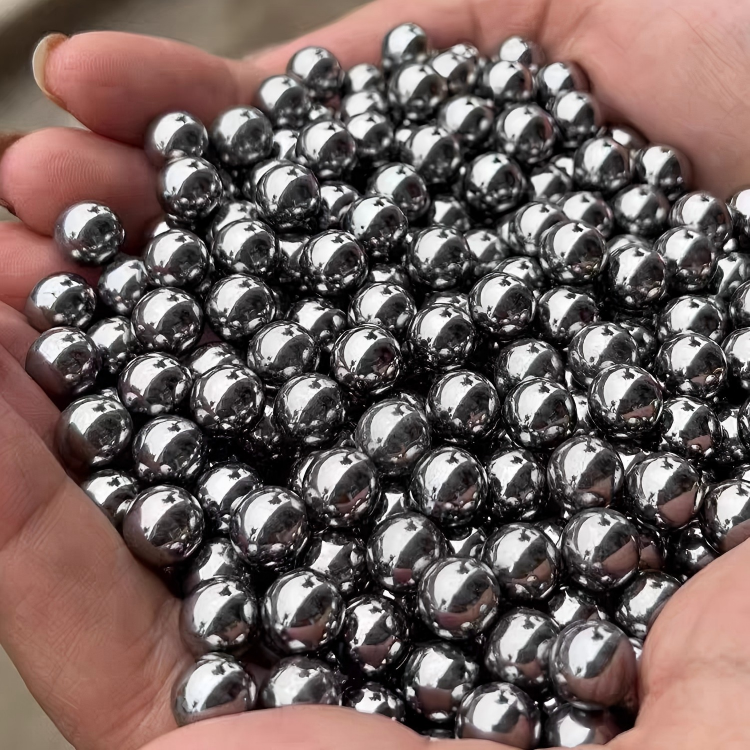
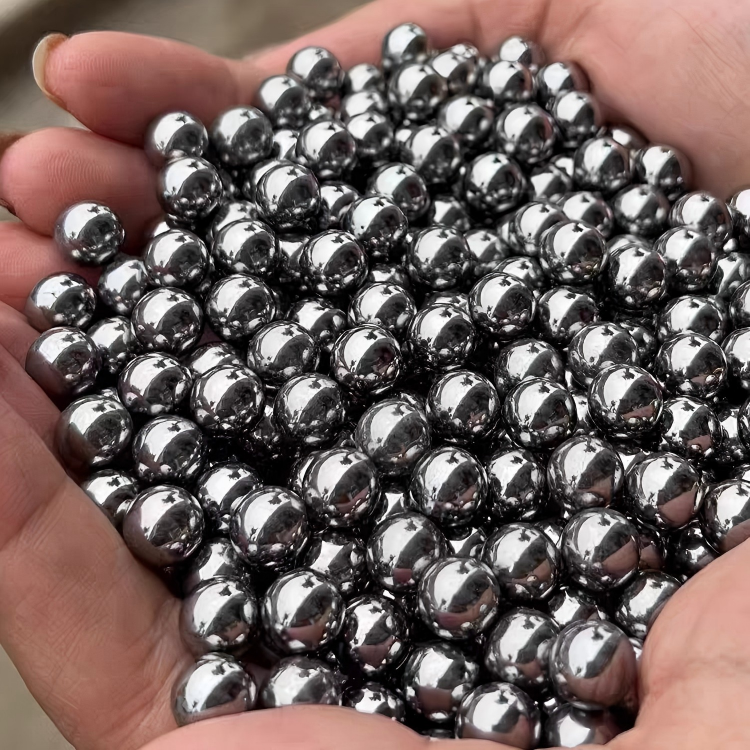
As basic components in the precision manufacturing field, cold heading steel balls are widely used in various industries due to their efficient manufacturing process and excellent product performance, becoming an indispensable core component in the operation of high-end equipment and daily machinery. Compared with traditional hot forging and turning processes, the cold heading process does not require high-temperature heating, which not only improves production efficiency but also ensures steel ball precision. Combined with high-temperature annealing treatment, it further enhances product stability to meet the needs of diversified scenarios.
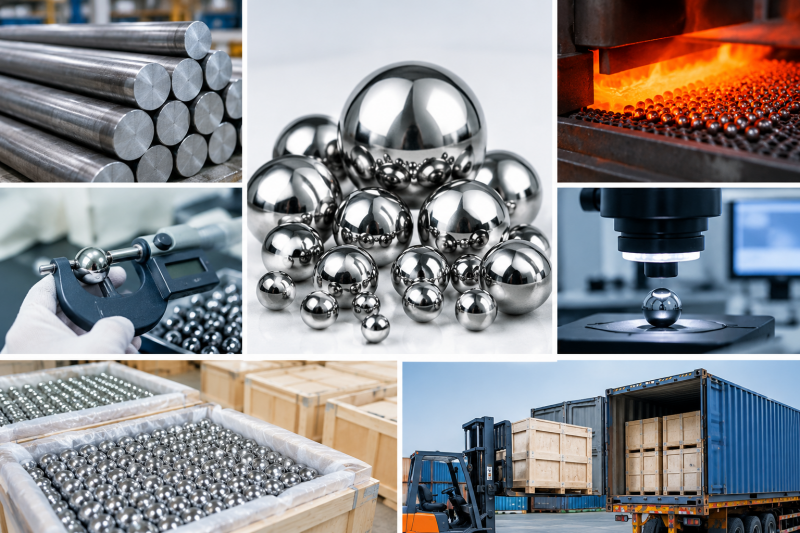
The manufacturing process of cold heading steel balls is concise and efficient, in line with the 2026 green intelligent manufacturing trend, with clear and controllable core steps: First, raw material selection. High-cleanliness, low-impurity wire rods (such as SWRCH35K, GCr15, etc.) are selected. After vacuum deoxidation treatment, straightening and shearing are completed through an intelligent feeding device to ensure uniform wire rod size. Second, cold heading forming. At room temperature, a multi-station cold heading machine is used to cut the wire rod into sections, which are extruded through pre-heading, ball forming, finishing and other molds to make the sections undergo plastic deformation and form steel ball blanks in one step, with a material utilization rate of more than 92%. Third, high-temperature annealing treatment, which is a key process to ensure steel ball performance, with a clear and easy-to-understand mechanism: during the cold heading process, cold work hardening occurs inside the steel ball, resulting in lattice distortion and increased dislocation density. Through high-temperature annealing at 750-900℃, lattice recovery, recrystallization and grain homogenization are driven by atomic diffusion, eliminating residual stress, refining the structure, stabilizing the steel ball hardness within a reasonable range, and improving toughness. Fourth, finishing and testing. After light ball processing, grinding and polishing, spectral detection, dimensional calibration and other processes are carried out to ensure that the steel ball precision meets the standard, with a finished product qualification rate of over 99.6%.
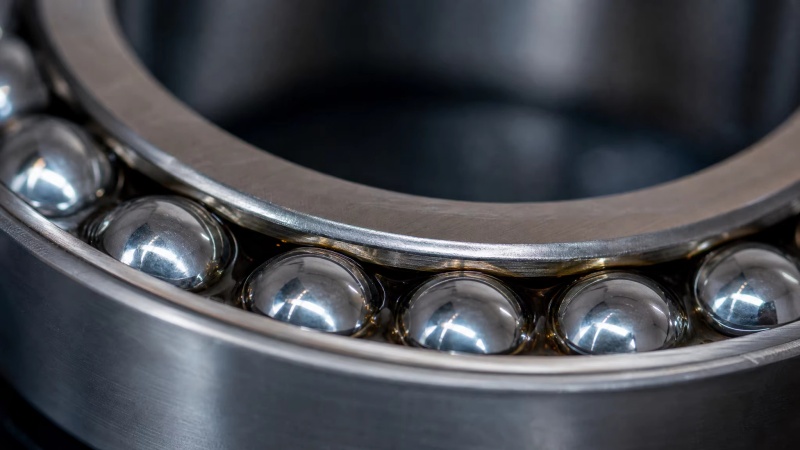
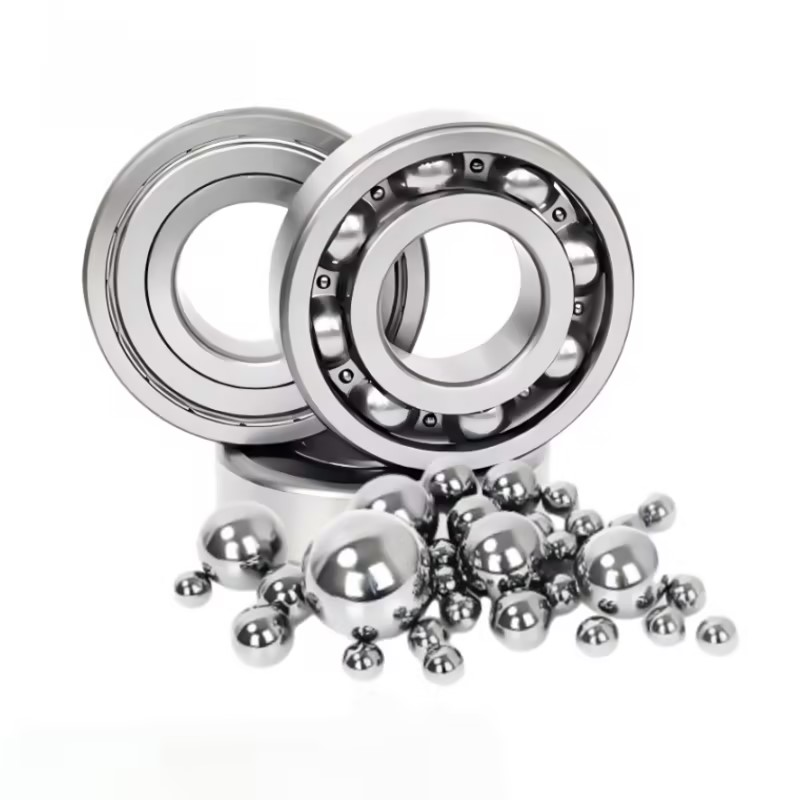
As precision components with extremely wide application scenarios, the usage of cold heading steel balls covers high-end manufacturing and people's livelihood fields, with clear key application scenarios: In the high-end equipment field, it is suitable for wind power bearings and new energy vehicle bearings. Cold heading steel balls with a diameter of 30-70mm can meet the long-life and high-strength requirements of high-power wind turbines. In the precision machinery field, it is used in CNC machine tools and precision instruments. With a diameter tolerance of ±0.005mm and a surface finish of Ra≤0.2μm, it ensures the operation precision of equipment. In the people's livelihood field, it is applied to home appliance bearings and bicycle parts, balancing durability and economy. In the special field, it is suitable for medical equipment and rail transit, meeting the harsh operation requirements with stable mechanical properties.
The core advantages of cold heading steel balls are prominent, with both practicality and economy: First, high forming efficiency. A single machine can produce 80-220 pieces per minute, far exceeding the traditional process. Second, stable quality. Cold heading forming retains metal flow lines, with a dense internal structure. After high-temperature annealing, the performance is more uniform, and cracks and deformation are not easy to occur. Third, environmental protection. The unit energy consumption is less than 35% of the hot forging process, without smoke and wastewater pollution. Fourth, controllable cost. High material utilization rate and mold life of more than 3 million times greatly reduce production losses. Relying on advanced cold heading equipment and a complete testing system, we strictly follow the latest 2026 industry standards and accurately control every process, enabling cold heading steel balls to better adapt to the needs of various industries and support the high-quality upgrading of the manufacturing industry.

Attend Shanghai Expo for Industry Communication & Cooperation
Steel Ball Crush Test: Principle & Precision Assurance