
Carbon Steel Ball AISI1010 1015
author: Changzhou Feige Steel Ball Co., Ltd
2024-01-26
First, 1010/1015 carbon steel ball classification:
1. According to the material is divided into low carbon steel ball, medium carbon steel ball, high carbon steel ball, the main material is 1010-1015, 1045, 1085, etc.;
2. According to the hardness is divided into soft ball and hard ball, that is, according to whether heat treatment is needed to judge: the hardness of heat treatment increases, about HRC60-66, commonly known as hard ball in the industry; The hardness without heat treatment is relatively low, about HRC40-50, commonly known as soft ball in the industry;
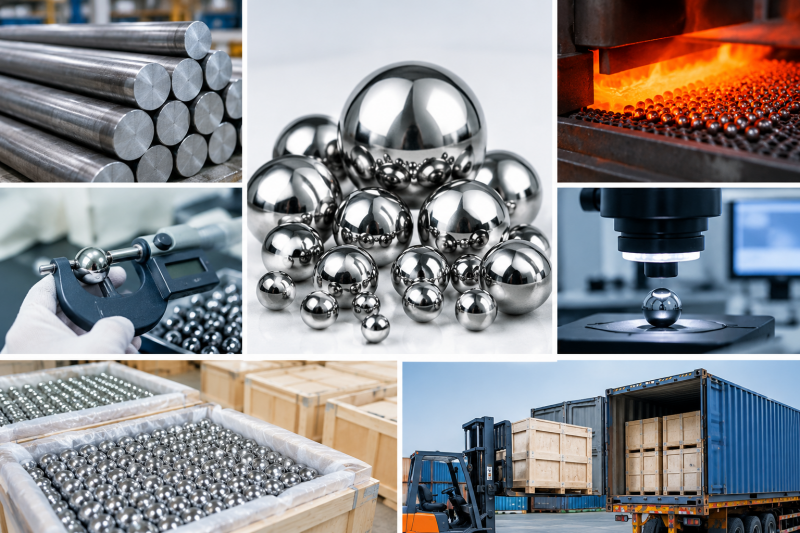
3. According to whether it is polished, it is divided into black ball and bright ball, that is, the lower grinding ball has not been polished, and the industry is commonly known as black ball; The polished surface is bright like a mirror, commonly known as bright ball in the industry;
1. According to the material is divided into low carbon steel ball, medium carbon steel ball, high carbon steel ball, the main material is 1010-1015, 1045, 1085, etc.;
2. According to the hardness is divided into soft ball and hard ball, that is, according to whether heat treatment is needed to judge: the hardness of heat treatment increases, about HRC60-66, commonly known as hard ball in the industry; The hardness without heat treatment is relatively low, about HRC40-50, commonly known as soft ball in the industry;
3. According to whether it is polished, it is divided into black ball and bright ball, that is, the lower grinding ball has not been polished, and the industry is commonly known as black ball; The polished surface is bright like a mirror, commonly known as bright ball in the industry;
Second, carbon steel ball, as the name suggests, is a steel ball processed from carbon steel materials.
1. So what are the main carbon steel materials for the production and processing of steel balls? Mainly include AISI1010, 5, 1015104, 5106, 5108, in turn increase the carbon content, which is 1010/1015 for low carbon steel, 1045/1065 for medium carbon steel, 1085 for high carbon steel.
2. These three materials each have their own performance advantages and disadvantages, used in daily life production also have their own uses, of course, for the production and processing of steel balls is the same. Through more than ten years of steel ball production, carbon steel ball in the country is still in a hazy, mixed state, mostly used are low carbon steel ball, medium carbon steel ball and high carbon steel ball in the domestic production and processing, mainly domestic demand is not large, quality requirements are not high, focus on the price. The low carbon steel ball meets the basic needs of customers, is cheap, and has a certain hardness.
3. Two kinds of materials are mainly used in low carbon steel balls, one is a relatively high-quality Q235 material, and the other is a relatively cheap crude Q195 material. For the surface requirements are not high, the service life is not long, blindly demand cheap customers, can choose Q195. On the contrary, it is better to choose Q235.
1. So what are the main carbon steel materials for the production and processing of steel balls? Mainly include AISI1010, 5, 1015104, 5106, 5108, in turn increase the carbon content, which is 1010/1015 for low carbon steel, 1045/1065 for medium carbon steel, 1085 for high carbon steel.
2. These three materials each have their own performance advantages and disadvantages, used in daily life production also have their own uses, of course, for the production and processing of steel balls is the same. Through more than ten years of steel ball production, carbon steel ball in the country is still in a hazy, mixed state, mostly used are low carbon steel ball, medium carbon steel ball and high carbon steel ball in the domestic production and processing, mainly domestic demand is not large, quality requirements are not high, focus on the price. The low carbon steel ball meets the basic needs of customers, is cheap, and has a certain hardness.
3. Two kinds of materials are mainly used in low carbon steel balls, one is a relatively high-quality Q235 material, and the other is a relatively cheap crude Q195 material. For the surface requirements are not high, the service life is not long, blindly demand cheap customers, can choose Q195. On the contrary, it is better to choose Q235.
Third, low carbon steel ball, according to whether heat treatment, is divided into two kinds:
1. Low carbon steel ball without heat treatment, commonly known as iron ball, hardness is about HRC27, widely used in welding, counterweight, toys, hardware, electronics and so on;
2 Heat treatment of low carbon steel balls, commonly known as hard balls, hardness in HRC58-65, widely used in grinding, simple bearings, hardware and so on.
3. The prices of the two are not the same, but in the communication with customers, many do not know this point, just blindly than the price, ask the price everywhere, who is cheaper to whom, the result is that the goods are received but cannot be used because they do not understand the hardness requirements.
1. Low carbon steel ball without heat treatment, commonly known as iron ball, hardness is about HRC27, widely used in welding, counterweight, toys, hardware, electronics and so on;
2 Heat treatment of low carbon steel balls, commonly known as hard balls, hardness in HRC58-65, widely used in grinding, simple bearings, hardware and so on.
3. The prices of the two are not the same, but in the communication with customers, many do not know this point, just blindly than the price, ask the price everywhere, who is cheaper to whom, the result is that the goods are received but cannot be used because they do not understand the hardness requirements.

Reasons influencing the fatigue life of steel ball of linear bearing
How to do if the steel ball is rusty?