
Choosing the Best Steel Balls for Ball Screw Maintenance
author: Feige Steel Ball
2024-10-22
Choosing the Best Steel Balls for Ball Screw Maintenance
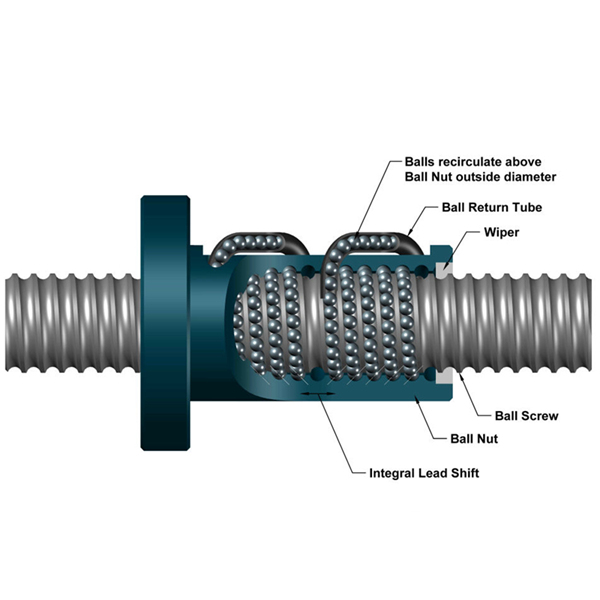
With the increasing automation in industry, ball screws have become essential precision transmission components in machinery. When it comes to maintaining or replacing the steel balls in a ball screw assembly, selecting the appropriate material is crucial. Drawing from our extensive experience working with clients, this article explores the optimal choices for steel balls when repairing ball screws.
Chrome Steel Balls: The Go-To Choice for Wear Resistance
Most manufacturers opt for chrome steel balls as the sliding parts in ball screws due to their excellent wear resistance. Chrome steel balls are known for their high hardness and durability, making them a standard choice for many applications. These balls can withstand heavy loads and maintain a low wear rate over prolonged use, ensuring reliability and longevity. As a result, chrome steel balls are favored by those who prioritize dependability and cost-effectiveness.
Stainless Steel Balls: Premium Choice for High-End Manufacturers
For manufacturers targeting the high-end market, stainless steel balls, particularly those in the 400 series (420, 440, 420C, 440C), are the preferred option. These stainless steel balls offer not only excellent wear resistance but also superior corrosion resistance compared to chrome steel balls. This means that equipment operating in humid or corrosive environments can benefit from the stability and long service life provided by 400 series stainless steel balls.
Comparing Chrome Steel Balls and Stainless Steel Balls
To further illustrate the differences, let's compare chrome steel balls with stainless steel balls in terms of their properties and applications:
- Wear Resistance: Both chrome steel and stainless steel balls exhibit high wear resistance, but the exact hardness can vary depending on the specific grade and heat treatment. Typically, chrome steel balls have a hardness range of about 58-62 HRC, while stainless steel balls like 440C can reach hardness levels up to 58 HRC.
- Corrosion Resistance: Stainless steel balls have a distinct advantage in terms of corrosion resistance. Grades like 420 and 440 offer good corrosion resistance, making them suitable for environments where exposure to moisture or corrosive substances is a concern.
- Strength: Chrome steel balls tend to have a slightly higher tensile strength compared to stainless steel balls, which can be beneficial in applications requiring maximum load-bearing capacity.
- Cost: Generally, chrome steel balls are more cost-effective than stainless steel balls. However, the initial investment in stainless steel balls can be justified by their longer lifespan and reduced maintenance costs over time.
Customer-Oriented Selection
The choice of steel ball material ultimately depends on the customer's specific requirements, budget, and operating environment. Chrome steel balls are ideal for standard applications that need reliable performance at a reasonable cost. On the other hand, stainless steel balls are better suited for applications that demand high corrosion resistance and wear resistance in challenging environments.
When deciding, consider the following factors:
- Operating Environment: For equipment functioning in highly corrosive conditions, stainless steel balls are preferable due to their corrosion resistance.
- Maintenance Costs: Although stainless steel balls may have a higher upfront cost, their longer lifespan and reduced maintenance needs can lead to lower total ownership costs.
- Performance Requirements: In applications requiring high precision and stability, stainless steel balls can offer superior performance due to their durability and consistency.
Feige Steel Ball: Your Reliable Supplier for Non-Standard Steel Balls
If you are looking for a reliable supplier of non-standard steel balls, Feige Steel Ball is your top choice. We not only provide standard-sized steel balls but also offer custom solutions tailored to your unique specifications. No matter what challenges you face, Feige Steel Ball can provide bespoke solutions to ensure your ball screw maintenance work proceeds smoothly.
Storage and Maintenance Guidelines for Steel Balls: Best Practices for Spare Parts
ISO 3290-1 vs. GB 308-89: An International and Local Perspective on Steel Ball Standards