
Steel Balls Use in Ball Screw
Precision in Motion: The Critical Role of Chrome Steel Balls and Stainless Steel Balls in Ball Screws and Linear Guides
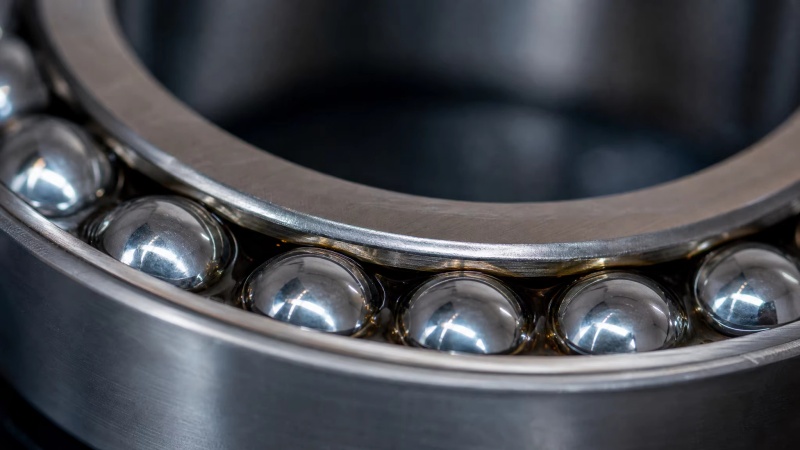
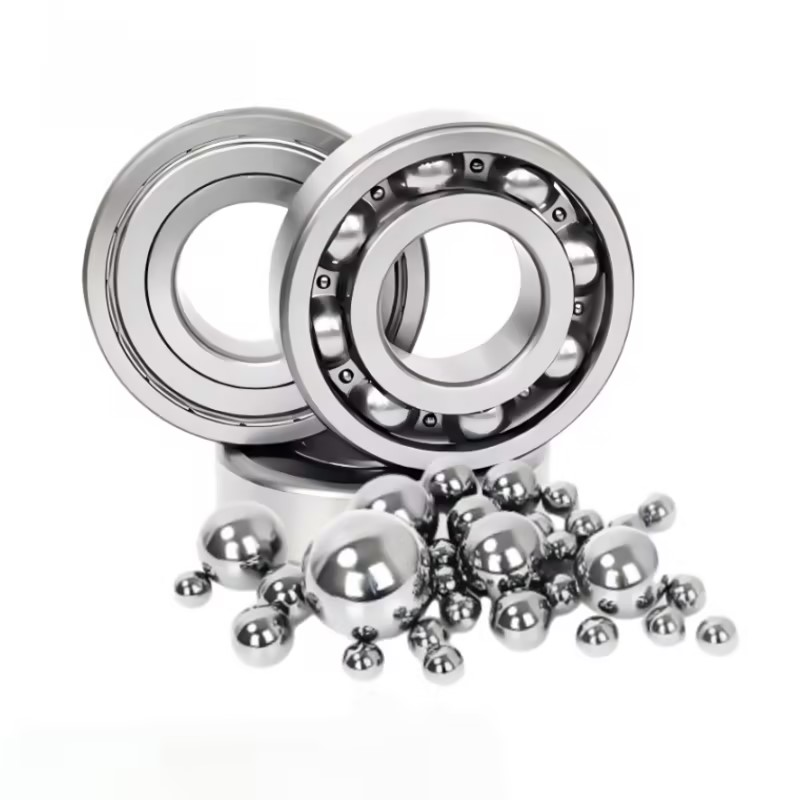
In fields where precision engineering is everything, the selection of components can either enhance or drastically reduce the performance of vital systems such as ball screws or linear guides. The smooth motion, minimized friction, and prolonged service life of the systems are ensured by tiny yet vital components at the heart of these parts–high-precision steel balls. Among the different types of high precision steel balls, chrome steel balls and stainless steel balls are the most widely used due to their tailored advantages for specific applications. Let's examine how these two types of materials improve the functionality of ball screws and linear guides, and why using the right steel balls is critical for the well-being of the machines.
Chrome Steel Balls: The Backbone of High-Load Applications
Chrome steel balls, crafted from high-carbon chromium alloy (e.g., GCr15 or SAE 52100), are renowned for their exceptional hardness, wear resistance, and ability to withstand heavy loads. Because of these properties, they are widely used in ball screws for tough industrial environments.
Why Chrome Steel Balls Excel in Ball Screws:
The hardened chrome steel ball surface minimizes the deformation of the balls on heavy screw assemblies. This is particularly important in CNC machining, robotics and aerospace systems, which must function with micron accuracy or better.
Ball screws operate under permanent load and the low fatigue rate of chrome steel increases the lifespan of components. This means lower maintenance cost and reduced downtime for machines with high cyclic usage.
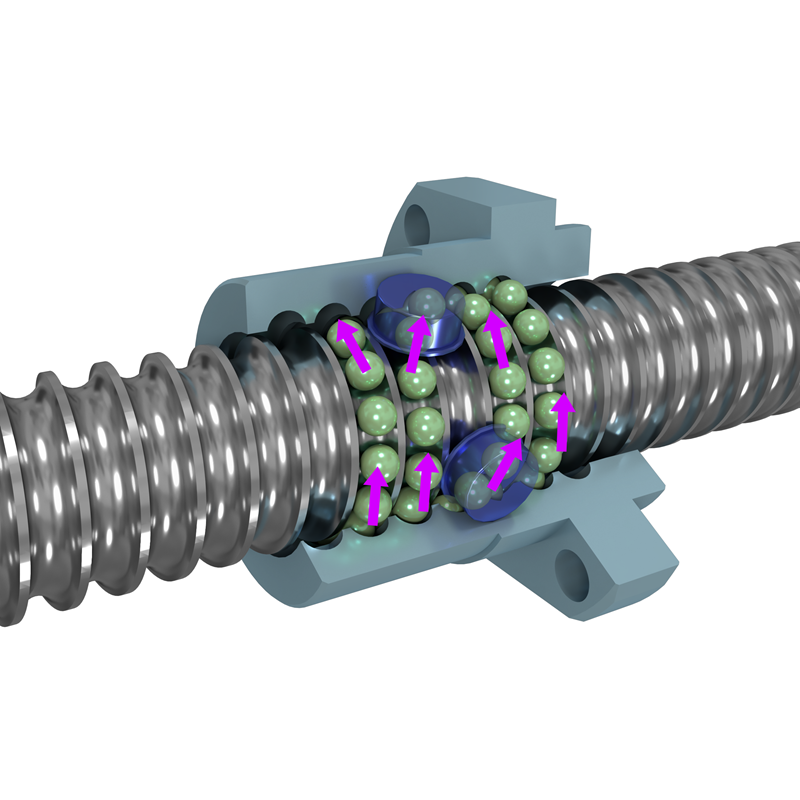
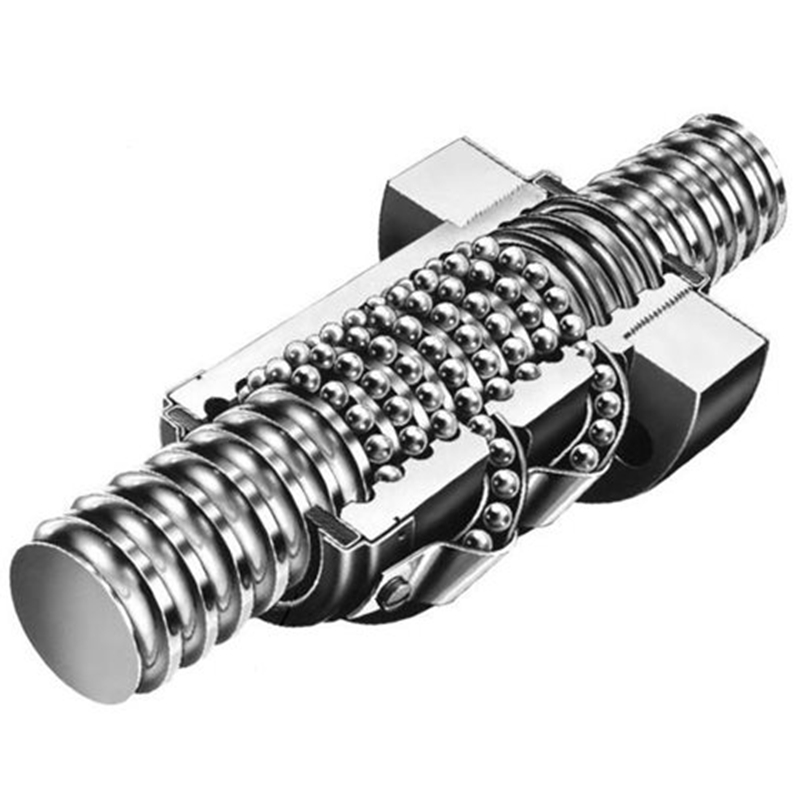
Chrome steel offers high strength and high resistance to oxidation which enables it to hold its shape even at high temperatures. This property is useful when the application involves heat such as in automobile industry or in heavy duty presses.
Industry Spotlight:
In semiconductor manufacturing equipment, motion control in ball screws is achieved with chrome steel balls whose smooth surfaces enable robust sub-micron positioning accuracy. In places where no failures are permitted, these balls possess unmatched reliability.
Stainless Steel Balls: Corrosion Resistance Meets Cleanroom Compatibility
Stainless steel balls are mostly made from 440C or 316L grade because they are highly resistant to corrosion, easy to maintain, and have a wide field of application. These attributes make them very useful in linear guides and in ball screws for medical devices, food processing machinery, and marine gearboxes.
Key Advantages in Linear Guides:
Stainless steel balls in marine robotics and pharmaceutical processes aid in maintaining hygiene by preventing rust-related malfunctions and contamination challenges. In the case of Corrosion and chemical resistance, stainless steel balls work efficiently in an environment that suffers from water, chemicals, or salt water exposure.
In prevention of bacteria infection on stainless steel, passive oxide layer clearly shows a preference towards stainless steel balls which make them suitable for medical devices, laboratory supplies, and food processing machines. This condition falls under cleanroom and hygienic compliance.
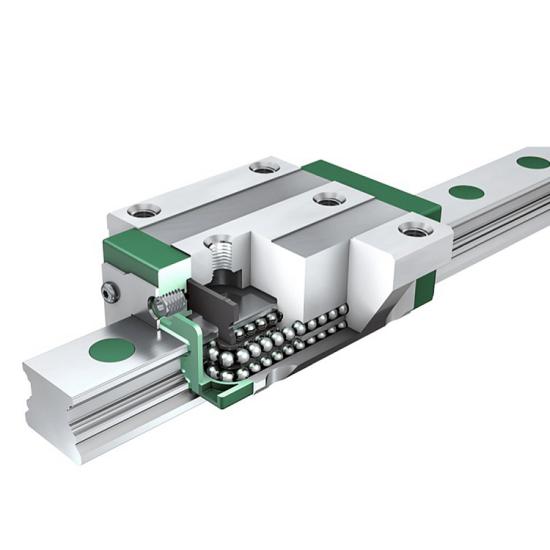
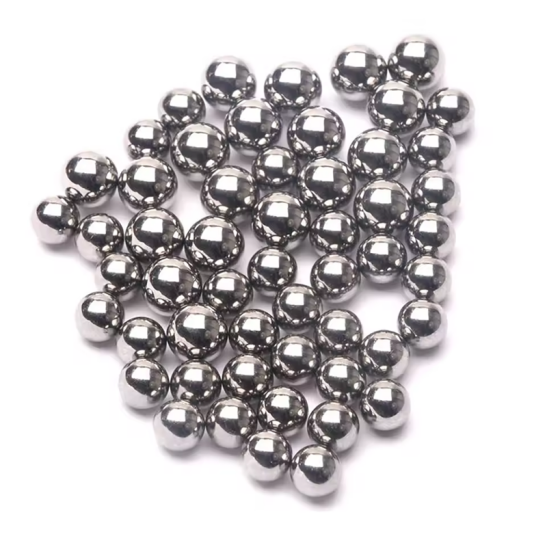
Unlike chrome steel, stainless steel retains its polished finish over time, making it suitable for applications where visual appeal matters, such as luxury automation systems or consumer electronics. As for aesthetic beauty, it is generally preferred for luxury crafting.
Real-World Application:
In MRI facilities, stainless steel balls in linear guides make sure to provide a smooth, vibration-free motion that is essential while following strict medical sterilization measures. Because of the non-magnetic characteristics of the materials grade chrome level 316L, they will not disrupt other sensitive imaging systems.
Choosing Between Chrome Steel and Stainless Steel: Factors to Consider
Both materials performed satisfactorily, although their use depended on the area of operations.
|
Factor |
Chrome Steel Balls |
Stainless Steel Balls |
|
Load Capacity |
Superior for heavy loads |
Moderate load tolerance |
|
Corrosion Resistance |
Requires protective coatings |
Inherently corrosion-resistant |
|
Cost Efficiency |
Lower cost for high-volume use |
Higher initial cost, lower TCO* |
|
Environment |
Dry, controlled conditions |
Humid, chemical, or cleanroom |
*TCO: Total cost of ownership (reduced maintenance and replacements).
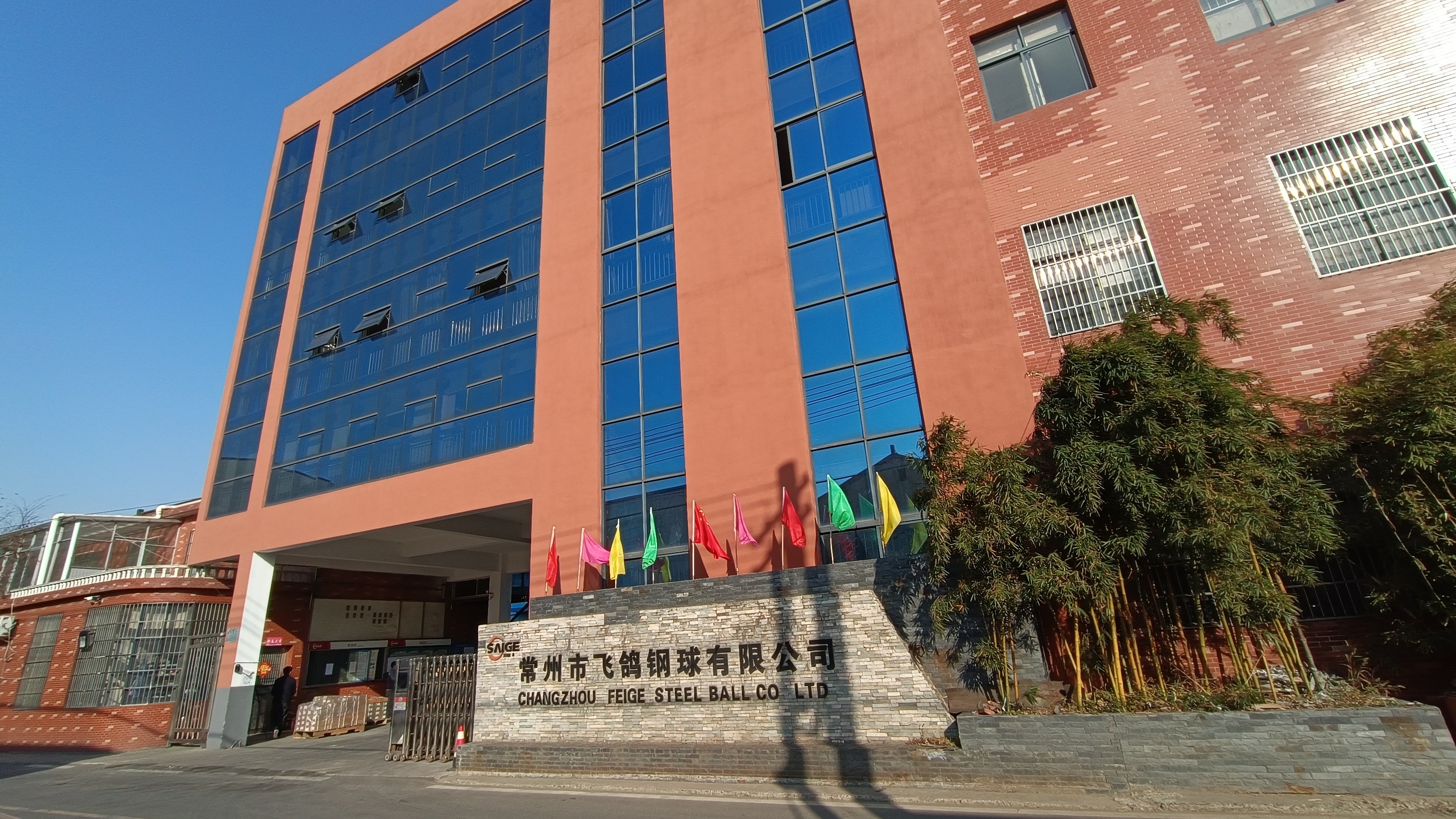
Why Choose Feige Steel Ball for Precision Steel Balls?
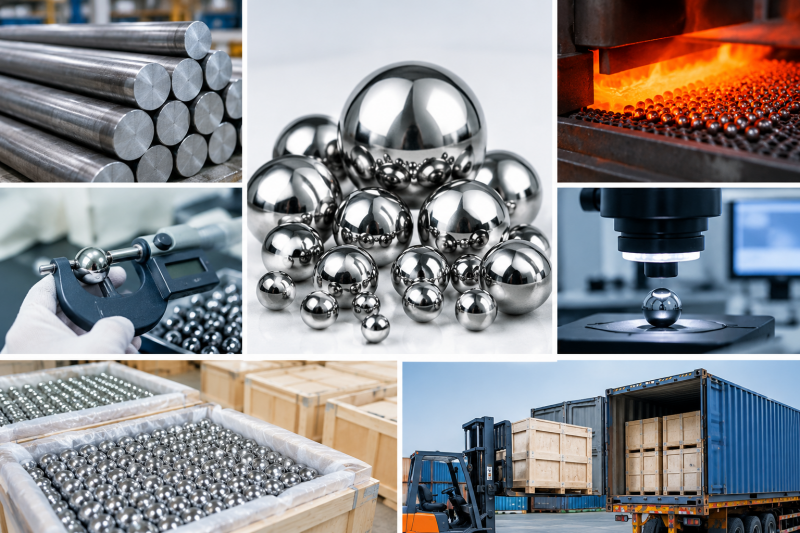
Feige Steel Ball sets a new standard in quality, precision and gravity and this is what sets us apart.
- Unmatched Precision: Our balls meet ISO 3290 Grade 10–100 tolerances, guaranteeing perfect assembly into ball screws and linear guides.
- Material Experts: Industry's heat treated chrome steel and medical grade stainless steel is custom tailored to fit your industry.
- Rigorously Controlled Quality: Each batch is inspected dimensionally, for hardness, and surface finish 100% of the time.
- Custom Coatings: Looking for specialized coatings, dimension, certification sizes like RoHS, REACH etc. We get it do.
Elevate Your Machinery's Performance Today
Steel balls are the core of sophisticated automation systems, and supportive to existing equipment. Stainless steel provides corrosion control while chrome steel brings unmatched toughness. Feige Steel Ball is in the business of making innovations blossom.
To discuss your ideas, give us a call, or check out our website and download the technical catalog for more information on precision components. Power of precision put in motion–let's do it together.
3-Series Stainless Steel Balls: Revolution of Motion in Food Processing
How High-Precision Steel Balls Enhance Performance and Safety in Medical Devices Introduction