
Classification of steel balls
Steel balls are divided into grinding steel balls, forged steel balls, and cast steel balls according to the production and processing technology. Bearing steel balls, stainless steel balls, carbon steel balls, copper bearing steel ball and alloy balls are classified according to the processing materials. Classification of steel balls
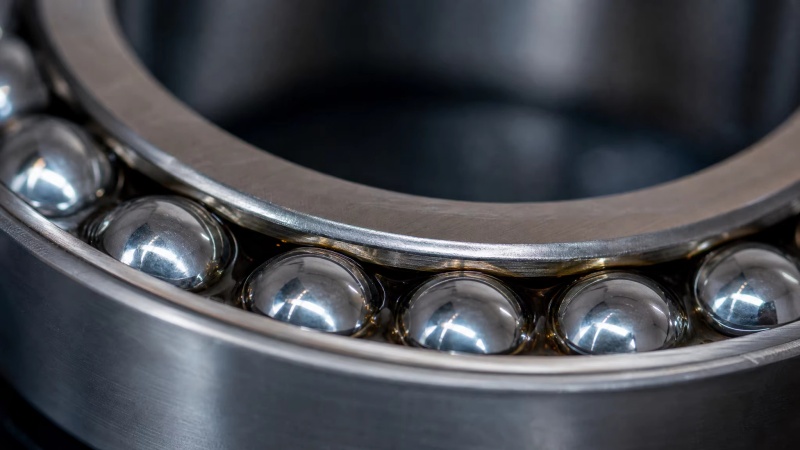
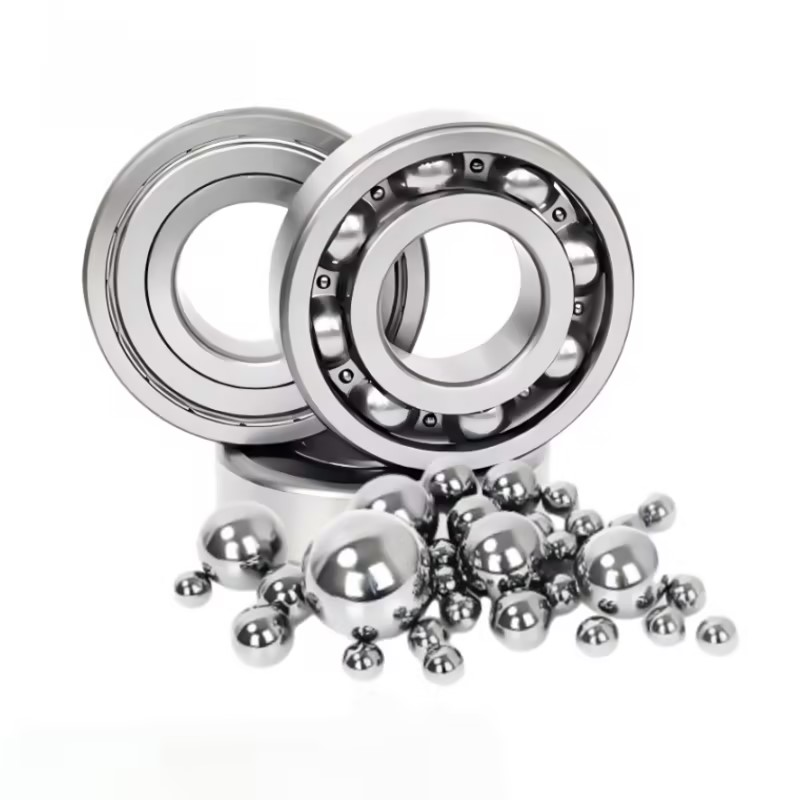
From the perspective of application, steel balls can be divided into two categories: wear-resistant steel balls used in crushing industry and bearing steel balls used in precision bearing industry. Wear-resistant steel balls (abbreviated as grinding balls) are the most widely used products in today's industrial practice. There is a saying: "There must be smashing in industry". This is very appropriate; the history of the use of bearing steel balls in the precision bearing industry and the field of life It has a long history and is more widely used. It can be said that there are steel balls in most places where it is rotated, commonly known as steel balls and balls.
Steel ball is a general term for steel balls, steel segments and special-shaped grinding bodies. According to the shape, it can be divided into perfect round balls (commonly narrow title), capsule balls, ellipses, yin and yang balls, hollow balls, polyhedral balls, polyhedral balls (with pits on the surface body), and so on.
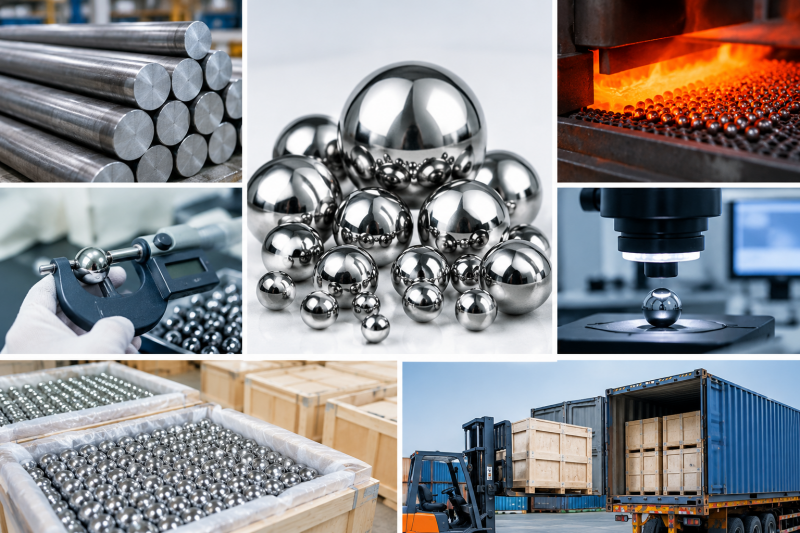
The production methods of steel balls generally include four major categories: forging, rolling, semi-solid forming and casting. Due to historical traditions and some special use conditions and comprehensive environment and background of the mineral processing industry, forging and rolling balls account for a considerable proportion in these industries. Semi-solid forming has the characteristics that can be explained by non-conventional casting and non-simple die-casting. It attracts people's attention with the excellent performance of advanced technology combined with casting-like forging and casting-forging advantages. With its simple, flexible and reliable production method, cast steel balls are easy to realize the expansion advantages of low investment and large-scale production, especially when experts and engineers use various advanced processes and alloy composition designs for steelmaking furnaces to play an endless role. The imagination to create more and more new and advanced varieties to meet the needs of competition brought about by the sense of accomplishment, more people can appreciate. The cost-effectiveness and sustainable development potential of the cast ball, which is taken for granted, has made it the main force in the production of steel balls in the crushing industry, especially the cement crushing industry.
Commonly used cast steel balls can be roughly divided into the following eleven categories according to their chemical composition:
1. chrome series anti-wear cast iron ball;
2. low alloy steel anti-wear cast ball;
3. anti-wear cast ball of medium and high alloy steel;
4. High manganese steel ball;
5. Half steel and half iron ball;
6. medium manganese nodular cast iron balls;
7. Aubei and Mape steel balls;
8. BAD, CAD anti-wear cast ball;
9. Special alloy cast iron balls;
10. Anti-wet cast ball;
11. Other cast balls.
How to know the casting process of wear-resistant steel ball material?
How a Steel Ball is Made