
What factors determine the price of steel balls?
author: Changzhou Feige steel Ball Co., Ltd
2023-12-12
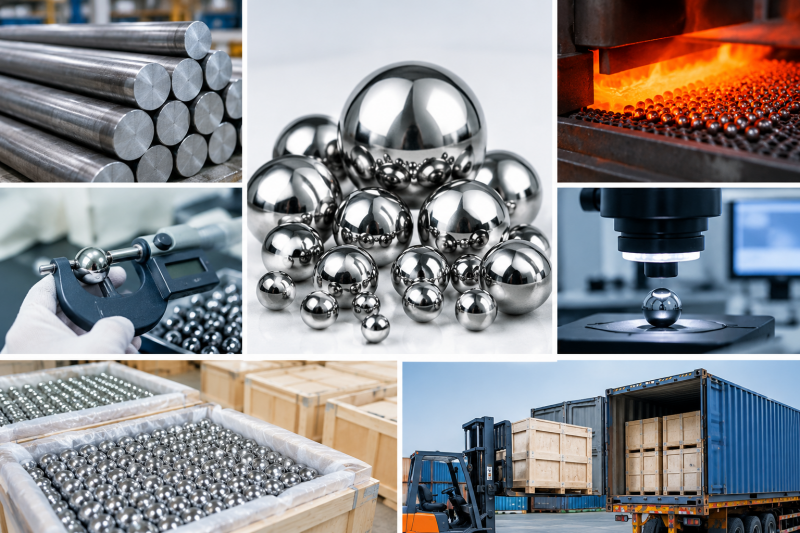
Steel balls are essential industrial components used extensively in machinery, electronics, aerospace, and numerous other fields. The pricing of steel balls is influenced by a variety of factors, each playing a significant role in determining the final cost. Below is a detailed analysis of these factors and how they impact the price of steel balls.
1. Cost of raw materials
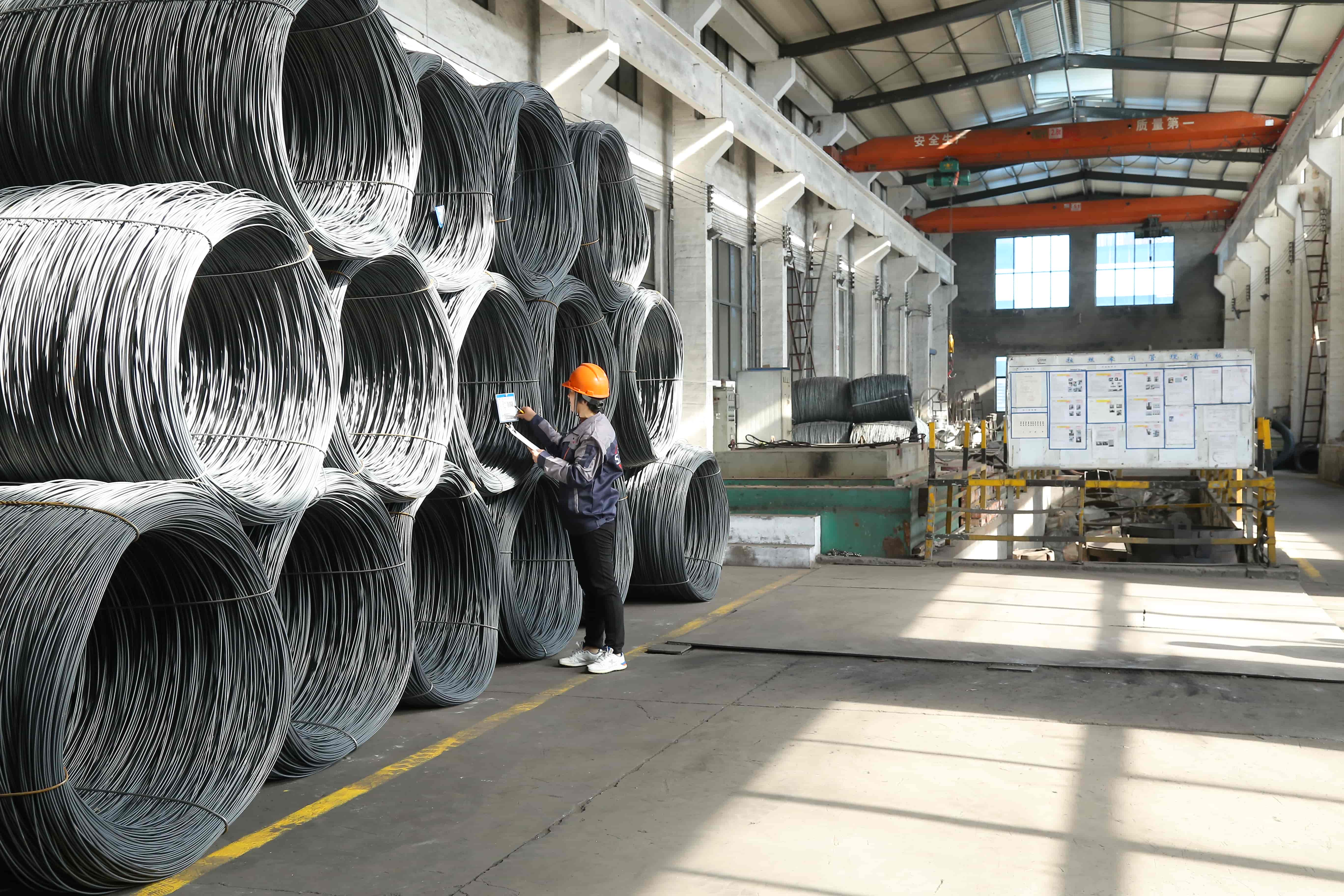
The primary component of steel balls is the raw material itself. Fluctuations in the price of steel, which is the base material, directly affect the cost of manufacturing steel balls. Factors influencing raw material costs include:
- Global Steel Prices: Changes in global steel prices can lead to variations in the cost of steel balls.
- Supply Chain Issues: Disruptions in the supply chain, such as logistical delays or shortages of raw materials, can increase costs.
- Currency Exchange Rates: For manufacturers importing raw materials, fluctuations in exchange rates can impact the overall cost.
2. Production process
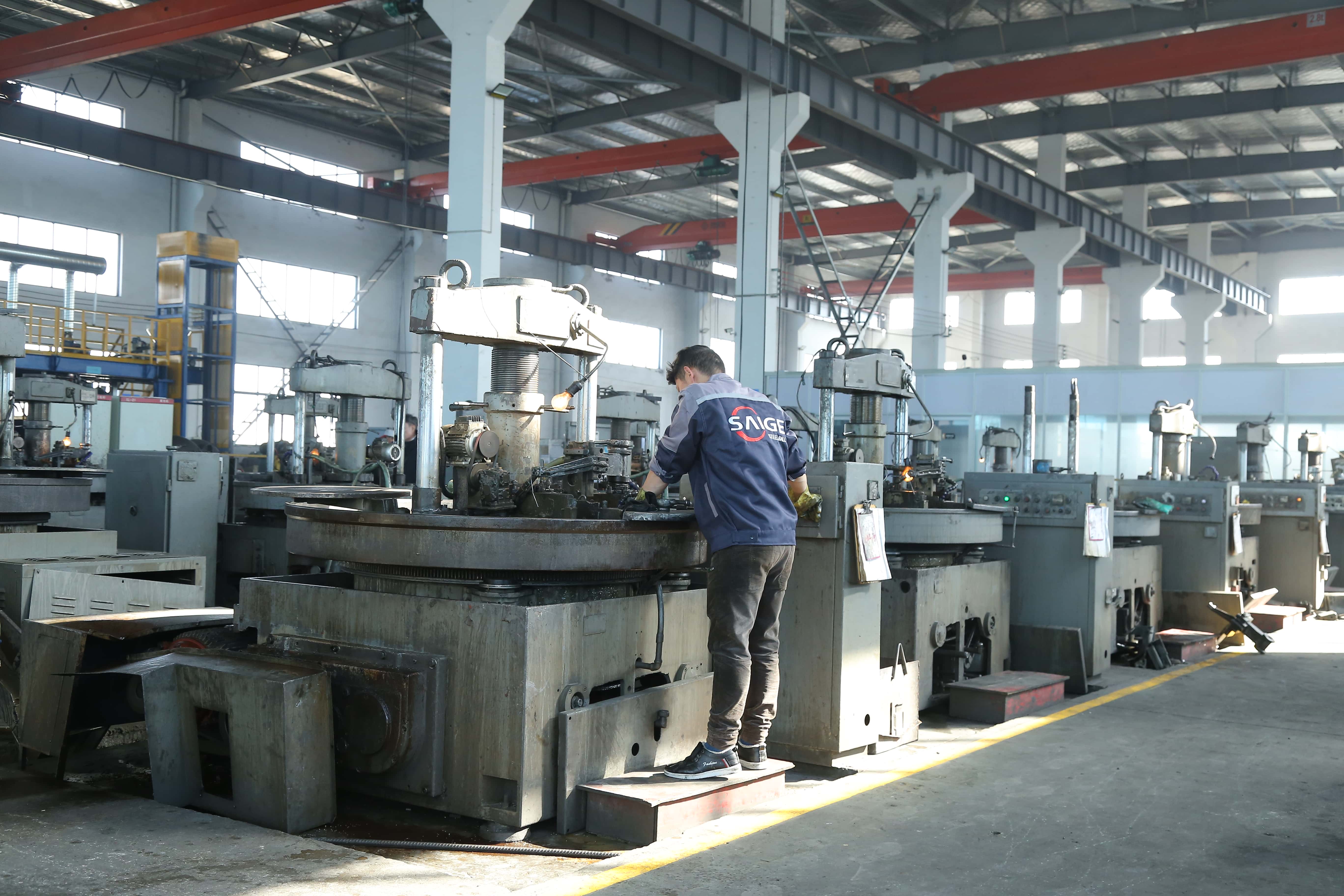
The production process is another significant factor affecting the price of steel balls. The complexity and sophistication of the manufacturing process can influence the final cost. Key aspects include:
- Technology and Equipment: Advanced machinery and cutting-edge technology can increase initial investment but lead to higher efficiency and potentially lower unit costs in the long run.
- Labor Costs: The cost of labor varies by region and country, impacting the overall production expense.
- Quality Control: Stringent quality control measures can add to the cost but ensure that the end product meets high standards.
3. Quality requirements

The quality of the steel balls is closely tied to their intended use and the specifications required by the industry. Higher quality requirements often translate to higher prices due to:
- Material Composition: Special alloys or materials with specific properties can command premium prices.
- Precision and Tolerance Levels: Tighter tolerances and higher precision levels require more advanced manufacturing processes, leading to increased costs.
- Certifications and Standards: Compliance with international standards and certifications can add to the cost but ensure reliability and trustworthiness.
4. Market supply and demand

Economic principles of supply and demand also play a crucial role in determining the price of steel balls. Factors affecting supply and demand include:
- Industry Demand: Increased demand from growing industries such as aerospace and automotive can drive up prices.
- Competition: The level of competition among manufacturers can influence pricing strategies.
- Seasonality: Seasonal variations in demand can lead to fluctuations in prices.
Additional Factors
Several other factors can also impact the price of steel balls:
Several other factors can also impact the price of steel balls:
- Environmental Regulations: Compliance with environmental regulations can add to the cost of production.
- Logistics and Distribution: Transportation and distribution costs can vary based on location and logistics arrangements.
- Research and Development: Investment in research and development can lead to innovative products but also contribute to higher prices.
Conclusion
The price of steel balls is a complex interplay of various factors, including raw material costs, production processes, quality requirements, and market dynamics. Manufacturers must navigate these factors to provide competitive pricing while maintaining high-quality standards. Understanding these influences helps buyers make informed decisions when sourcing steel balls for their applications.
The price of steel balls is a complex interplay of various factors, including raw material costs, production processes, quality requirements, and market dynamics. Manufacturers must navigate these factors to provide competitive pricing while maintaining high-quality standards. Understanding these influences helps buyers make informed decisions when sourcing steel balls for their applications.
What is the heat treatment process and effect of bearing steel ball
The analysis of the inspection process for steel ball quality.