
Reasons for the rough surface of the refined steel ball
author: Changzhou Feige Steel Ball Co., Ltd
2020-08-17
Precision Processing of Steel Balls: Lapping and Super Lapping
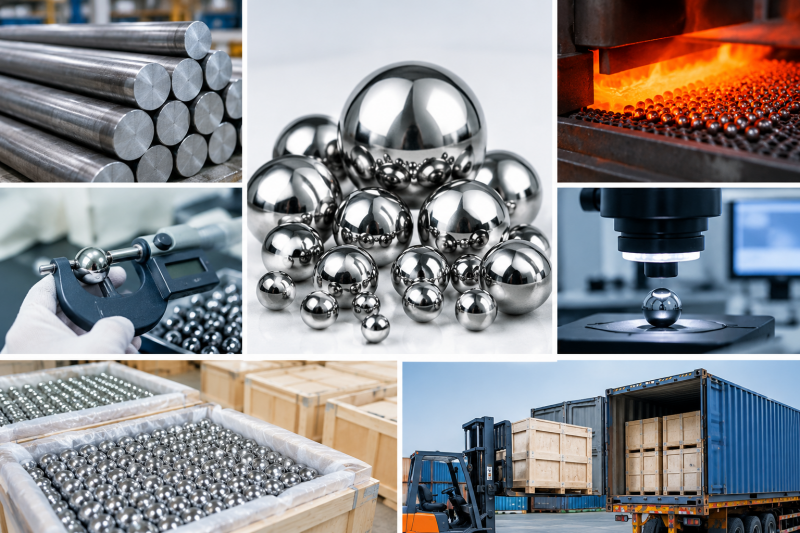
Both lapping and super lapping are critical final processing procedures for steel balls. Super lapping is typically required for steel balls with higher precision than G40 grade, ensuring that the final size deviation, geometric accuracy, surface roughness, and surface quality meet the stringent requirements of fine grinding or super-finishing processes.
Precision Measurement and Inspection
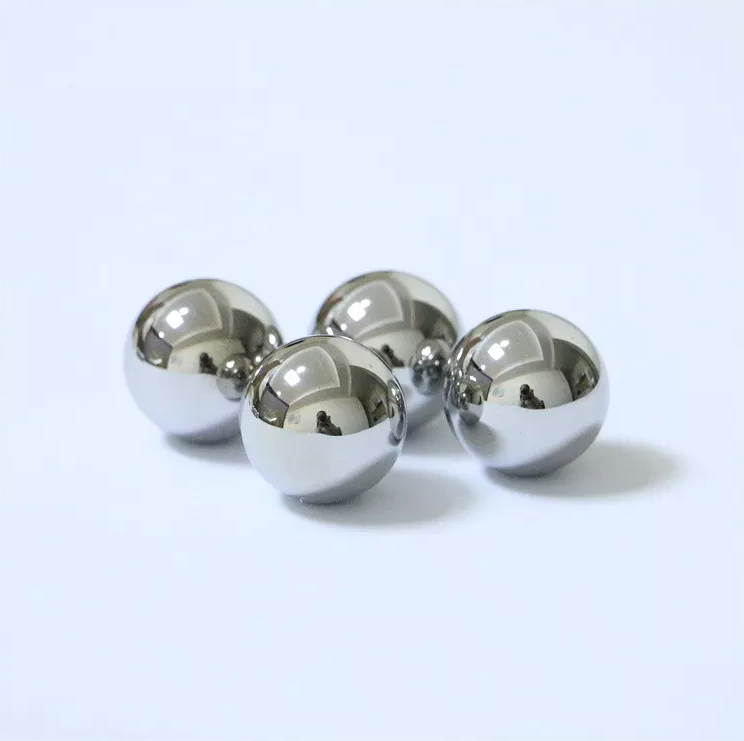
When verifying the diameter deviation and geometric accuracy of steel balls, specialized instruments are used for precise measurements. Surface roughness and surface quality after polishing are generally inspected visually under an astigmatic lamp. Should there be any disputes regarding the surface condition, a 90-times magnifying glass can be used to compare the surface with standard photographs.
When verifying the diameter deviation and geometric accuracy of steel balls, specialized instruments are used for precise measurements. Surface roughness and surface quality after polishing are generally inspected visually under an astigmatic lamp. Should there be any disputes regarding the surface condition, a 90-times magnifying glass can be used to compare the surface with standard photographs.
For super-finished workpieces, a representative sample must be inspected under a 90-times magnifying glass and compared against standard images. When there is uncertainty about the surface roughness, it can be measured using a surface roughness meter for accurate assessment.
Burn Inspection Methods
Burn inspections following intensive research and super-intensive research involve random sampling. The quantity and quality standards of the samples should comply with established burn standards to ensure accurate evaluation.
Burn inspections following intensive research and super-intensive research involve random sampling. The quantity and quality standards of the samples should comply with established burn standards to ensure accurate evaluation.
Common Causes of Poor Surface Roughness
Professionals from Changzhou Feige Steel Ball Manufacturing Co., Ltd. have identified several reasons for poor surface roughness in steel balls:
Professionals from Changzhou Feige Steel Ball Manufacturing Co., Ltd. have identified several reasons for poor surface roughness in steel balls:
- Inadequate Processing Volume and Time: Too little material removal or insufficient processing duration can lead to suboptimal surface finish.
- Shallow Grinding Disc Grooves: If the grooves are too shallow, the contact area between the groove and the workpiece is reduced, affecting the surface quality.
- Incorrect Grinding Disc Hardness or Condition: A grinding disc that is too hard or uneven, or one that has trachoma and pores, can result in a rough surface.
- Excessive Abrasive Paste or Coarse Particle Size: Overuse of abrasive paste or using particles that are too coarse can damage the surface finish.
- Dirty Grinding Disc Grooves: Contamination in the grooves, such as iron filings or other debris, can impair the surface quality of the steel balls.
Ensuring High-Quality Steel Balls
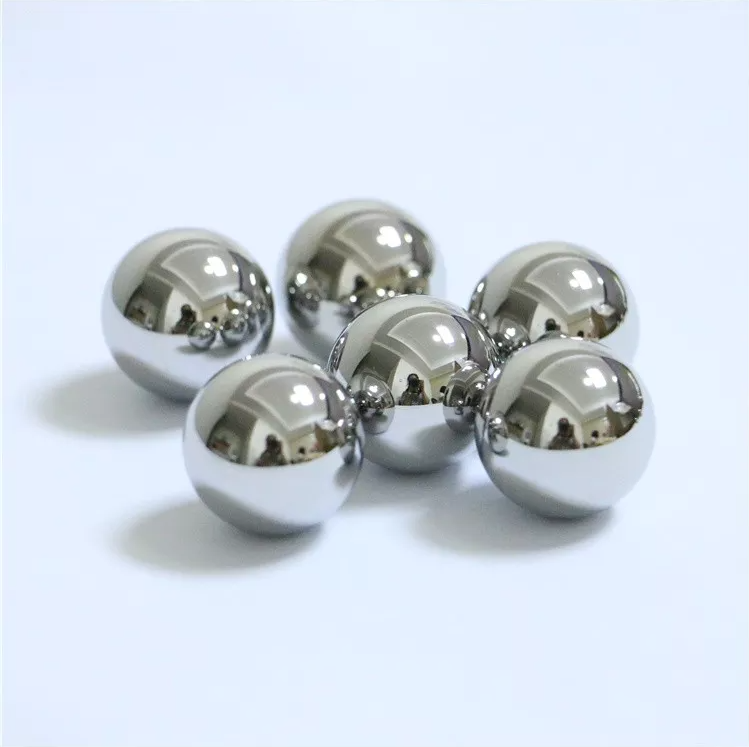
To produce high-quality steel balls, it is essential to address these issues during the manufacturing process. By carefully controlling the processing parameters and maintaining the cleanliness and condition of the grinding equipment, manufacturers can ensure that the surface of the steel balls is smooth and free from defects.
To produce high-quality steel balls, it is essential to address these issues during the manufacturing process. By carefully controlling the processing parameters and maintaining the cleanliness and condition of the grinding equipment, manufacturers can ensure that the surface of the steel balls is smooth and free from defects.
Commitment to Excellence
Changzhou Feige Steel Ball Manufacturing Co., Ltd. continuously strives for excellence by implementing the latest technologies and adhering to rigorous quality control standards. Every step, from material selection to final inspection, is meticulously managed to ensure that every steel ball meets the highest expectations for performance and reliability, making them a trusted choice for critical applications worldwide.
Changzhou Feige Steel Ball Manufacturing Co., Ltd. continuously strives for excellence by implementing the latest technologies and adhering to rigorous quality control standards. Every step, from material selection to final inspection, is meticulously managed to ensure that every steel ball meets the highest expectations for performance and reliability, making them a trusted choice for critical applications worldwide.
Trust in Expertise
Changzhou Feige Steel Ball Manufacturing Co., Ltd., with 28 years of experience in the manufacture of steel balls, is a trusted name in the industry. Their expertise and commitment to quality make them a reliable partner for those requiring precision steel balls for a variety of applications.
Changzhou Feige Steel Ball Manufacturing Co., Ltd., with 28 years of experience in the manufacture of steel balls, is a trusted name in the industry. Their expertise and commitment to quality make them a reliable partner for those requiring precision steel balls for a variety of applications.
How to configure the steel balls in the grinding machine?
Why does the steel ball break?