
How to do if the steel ball is rusty?
author: Changzhou Feige Steel Ball Co., Ltd
2024-01-11
Handling Rusty Steel Balls: Tips and Tricks
Steel balls are widely used in various industries, including bearings, machinery, and aerospace applications. However, over time, exposure to moisture and air can cause these steel balls to develop rust. Rust not only diminishes the appearance of the steel balls but can also compromise their functionality. Here’s how to handle rust on steel balls depending on the severity of the rust:
1. Handling Slight Rust
If the surface of the steel balls shows only slight rust and is not very bright, you can use a simple method to restore their shine. Follow these steps:
- Prepare Newspaper: Take several sheets of newspaper and fold them into an appropriate size. This will create a rough surface that helps in scrubbing off the rust.
- Wrap Steel Balls: Place a small number of steel balls inside the folded newspaper.
- Shake Vigorously: Wrap the newspaper around the steel balls and shake it back and forth for about 10 to 20 minutes. The friction created by the newspaper will help remove the slight rust.
- Check Brightness: After shaking, open the newspaper and inspect the steel balls. They should now appear much brighter. If they are still not very bright, continue shaking for a bit longer until they regain their shine.
This method works well for light rust because the newspaper acts as a gentle abrasive, removing the outer layer of rust without damaging the underlying metal.
2. Handling Multiple Rust Spots
If the steel balls have multiple rust spots, you’ll need a more thorough cleaning approach. Here’s what you can do:
- Use Hot Water and Detergent: Fill a container with hot water and add some detergent. Place the rusted steel balls into the solution and scrub them vigorously using a soft brush or sponge. The combination of heat and detergent helps break down the rust particles.
- Rinse Thoroughly: After scrubbing, remove the steel balls from the solution and rinse them thoroughly with clean water to remove all soap residue.
- Dry Promptly: Dry the steel balls quickly using a clean towel to prevent water spots.
- Apply Anti-Rust Oil: Once dry, apply a coat of anti-rust oil to the surface of the steel balls. This not only restores their shine but also provides a protective layer against future rust formation.
Using this method, the steel balls should regain their original luster and functionality.
3. Handling Severe Rust
For more serious rust issues, without professional rust removal tools, there are limited options. Here’s what you can do:
- Consider Professional Help: If the rust is severe, there are not many effective methods available without specialized equipment. Consider returning the steel balls to the manufacturer or a professional workshop where they can use polishing machines and polishing powders to remove the surface rust and restore the balls to their original condition.
- - Manual Removal: If professional help is not an option, you can attempt manual removal using fine-grit sandpaper or a wire brush. However, this process can be time-consuming and may not achieve the same level of restoration as professional methods.
Severe rust often requires specialized tools and techniques to remove completely, making professional assistance the best choice.
After-Purchase Care Tips
To prevent rust and maintain the quality of your steel balls, keep the following points in mind after purchasing:
- Inspect for Damage: Upon receipt, check if there is any damage to the packaging. If there are any signs of damage, replace the packaging immediately to prevent moisture intrusion.
- Avoid Humid Environments: Store the steel balls in a dry and well-ventilated area. Avoid placing them in humid environments, as moisture is a primary cause of rust formation.
- Seal Unused Balls: Seal any unused steel balls promptly after opening the package. Use airtight containers or plastic bags to keep moisture away from the steel balls.
- Handle Properly: Avoid touching the steel balls directly with your hands, especially if your hands are wet or sweaty. Sweat can corrode the surface of the balls. Use gloves when handling steel balls to prevent direct contact with your skin.
By following these care tips, you can significantly reduce the likelihood of rust formation and extend the lifespan of your steel balls. Proper maintenance ensures that your steel balls remain functional and perform optimally in their intended applications.
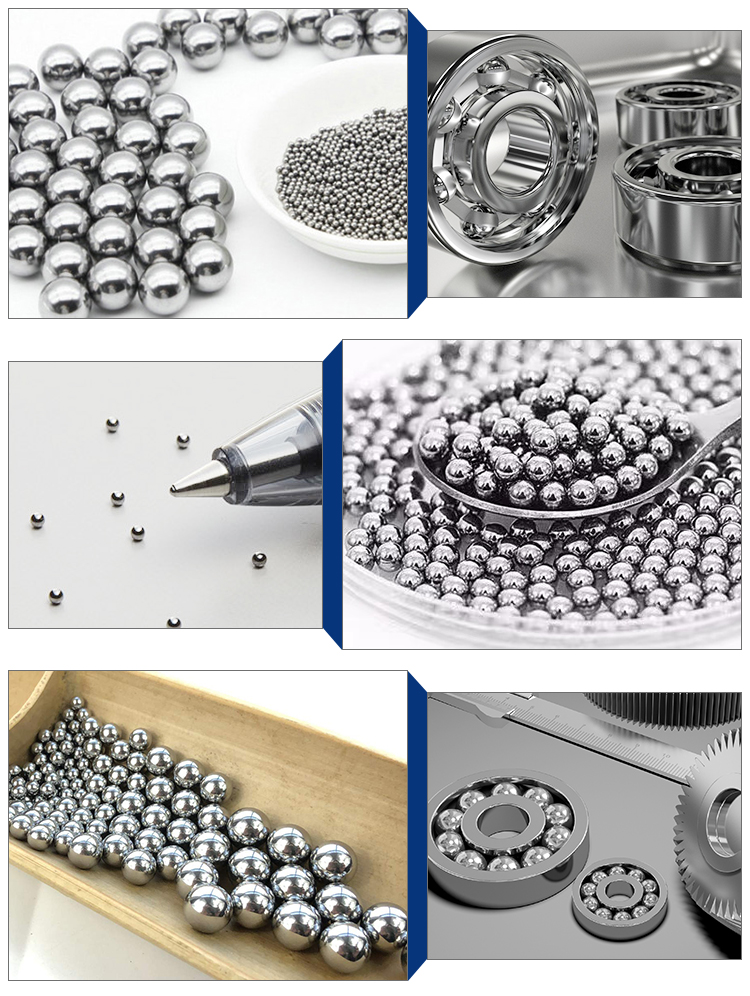
Carbon Steel Ball AISI1010 1015
The utilization of stainless steel balls in correction fluid