
Steel balls for airbags use
author: Changzhou Feige Steel Ball Co., Ltd
2020-08-25
Airbag System: A Critical Safety Component
The airbag system is one of the most important parts of your vehicle's safety components, designed to protect occupants during collisions. Airbags are made from stretchable fabrics or other materials and are tightly packed in various locations throughout the vehicle, such as the steering wheel, dashboard, and even the sides of seats. When deployed, these airbags inflate rapidly, providing a cushion that helps absorb the impact force and reduce the risk of injury.
Types of Airbag Sensors
Two primary types of airbag sensors are used in cars: electrical and mechanical. These sensors play a vital role in detecting collisions and triggering the deployment of airbags.
Two primary types of airbag sensors are used in cars: electrical and mechanical. These sensors play a vital role in detecting collisions and triggering the deployment of airbags.
Electrical Sensors
Electrical sensors utilize an electromechanical "ball and tube" mechanism. This mechanism comprises a small tube that contains a circuit switch and a ball, typically made of a conductive material. The ball is held in place by a small magnet. During normal driving conditions, the magnetic field keeps the ball stationary, preventing the circuit from completing. However, in the event of a collision, the sudden deceleration forces the ball away from the magnet. As the ball rolls forward within the tube, it strikes a switch that completes the electrical circuit. This activation triggers the airbag deployment sequence.
Electrical sensors utilize an electromechanical "ball and tube" mechanism. This mechanism comprises a small tube that contains a circuit switch and a ball, typically made of a conductive material. The ball is held in place by a small magnet. During normal driving conditions, the magnetic field keeps the ball stationary, preventing the circuit from completing. However, in the event of a collision, the sudden deceleration forces the ball away from the magnet. As the ball rolls forward within the tube, it strikes a switch that completes the electrical circuit. This activation triggers the airbag deployment sequence.
The precision and reliability of the "ball and tube" mechanism are critical for ensuring that airbags deploy correctly and promptly during a crash. Any delay or malfunction in this system could compromise the effectiveness of the airbags.
FEIGE STEEL BALL Solutions for Airbag Applications
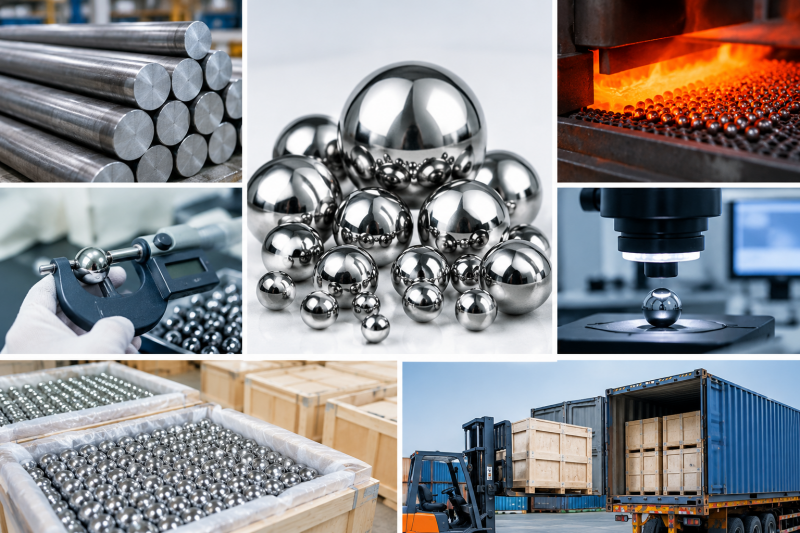
FEIGE STEEL BALL specializes in providing high-quality stainless steel balls specifically designed for airbag applications. These balls are manufactured to meet or exceed the stringent requirements set by the ISO 3290 norm, specifically geometry grade G100 or better. The precision and consistency of these stainless steel balls are crucial for the reliable operation of airbag sensors.
FEIGE STEEL BALL specializes in providing high-quality stainless steel balls specifically designed for airbag applications. These balls are manufactured to meet or exceed the stringent requirements set by the ISO 3290 norm, specifically geometry grade G100 or better. The precision and consistency of these stainless steel balls are crucial for the reliable operation of airbag sensors.
The use of stainless steel balls in airbag sensor mechanisms ensures that the sensors function accurately and consistently, even under extreme conditions. The corrosion-resistant properties of stainless steel further enhance the reliability of these components, ensuring that they remain effective over the lifespan of the vehicle.
Ensuring Safety Through Precision
To guarantee the utmost safety, FEIGE STEEL BALL adheres to strict manufacturing processes that ensure each ball is perfectly round and free of defects. The high precision of these stainless steel balls is critical for the accurate detection of impacts and the timely deployment of airbags. Regular quality checks and advanced testing methods are employed to maintain the highest standards, ensuring that every component meets the demanding requirements of automotive safety systems. This commitment to precision and reliability underscores the importance of FEIGE STEEL BALL's products in enhancing the safety features of vehicles.
To guarantee the utmost safety, FEIGE STEEL BALL adheres to strict manufacturing processes that ensure each ball is perfectly round and free of defects. The high precision of these stainless steel balls is critical for the accurate detection of impacts and the timely deployment of airbags. Regular quality checks and advanced testing methods are employed to maintain the highest standards, ensuring that every component meets the demanding requirements of automotive safety systems. This commitment to precision and reliability underscores the importance of FEIGE STEEL BALL's products in enhancing the safety features of vehicles.
Conclusion
The airbag system is a complex yet essential part of modern vehicular safety designs. The integration of precise and durable components, such as the stainless steel balls offered by FEIGE STEEL BALL, plays a pivotal role in the reliability and effectiveness of airbag deployments. By ensuring that airbags deploy accurately and rapidly, these components help protect drivers and passengers in the event of a collision, contributing to overall road safety.
The airbag system is a complex yet essential part of modern vehicular safety designs. The integration of precise and durable components, such as the stainless steel balls offered by FEIGE STEEL BALL, plays a pivotal role in the reliability and effectiveness of airbag deployments. By ensuring that airbags deploy accurately and rapidly, these components help protect drivers and passengers in the event of a collision, contributing to overall road safety.

Why does the steel ball break?
How to improve the accuracy of steel balls?