
The Role of Steel Balls in the Furniture Industry
author: Feige Steel Ball
2024-12-03
Introduction
Steel balls, known for their durability and precision, have long been a critical component in various industries. In recent years, they have found an increasingly important place in the furniture industry. From enhancing the functionality of everyday items like drawers and chairs to providing innovative solutions for modern, multifunctional furniture, steel balls play a vital role in improving both the performance and user experience of furniture products. This article explores the diverse applications of steel balls in furniture and highlights their benefits, market trends, and future potential.
Basic Characteristics of Steel Balls
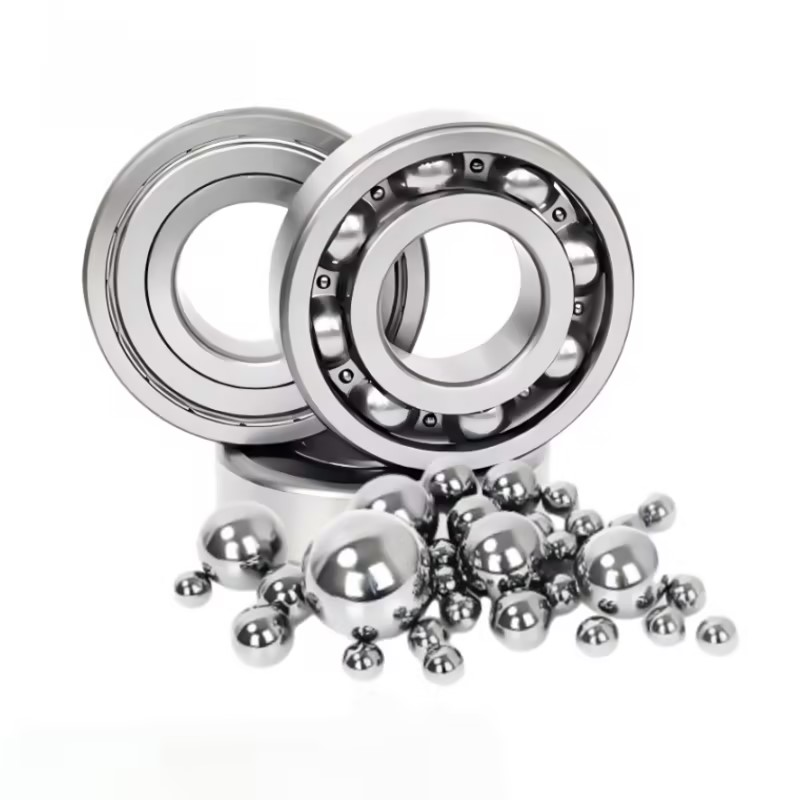
Steel balls are typically made from high-quality materials such as stainless steel or carbon steel, each offering unique advantages. Stainless steel is highly resistant to corrosion, making it ideal for use in environments where moisture or humidity is a concern. Carbon steel, on the other hand, offers exceptional hardness and strength, ensuring that the balls can withstand significant pressure and wear over time.
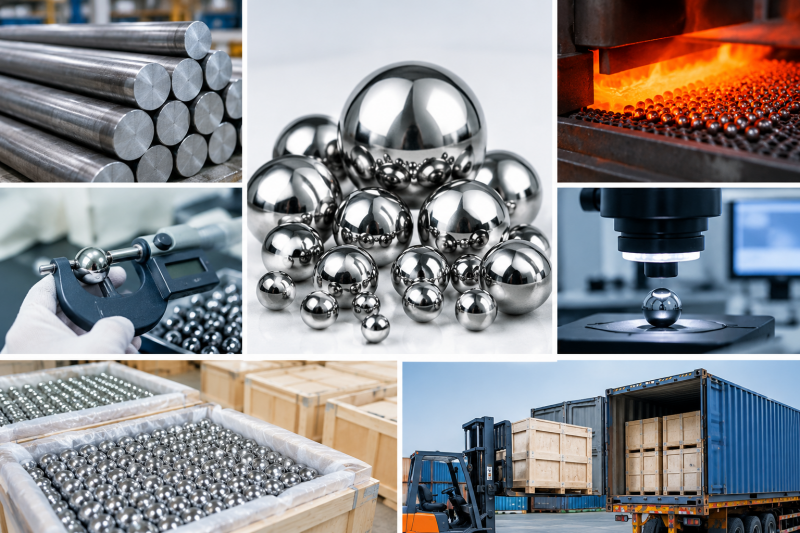
The manufacturing process of steel balls involves several steps, including cold heading, heat treatment, and surface finishing. Cold heading shapes the raw material into a spherical form, while heat treatment enhances its hardness and durability. Surface finishing, such as grinding and polishing, ensures that the balls have a smooth, uniform surface, reducing friction and increasing longevity. These processes result in steel balls that are not only strong but also precise, with tolerances as tight as a few microns.
Common Applications in Furniture
- Drawer Slides
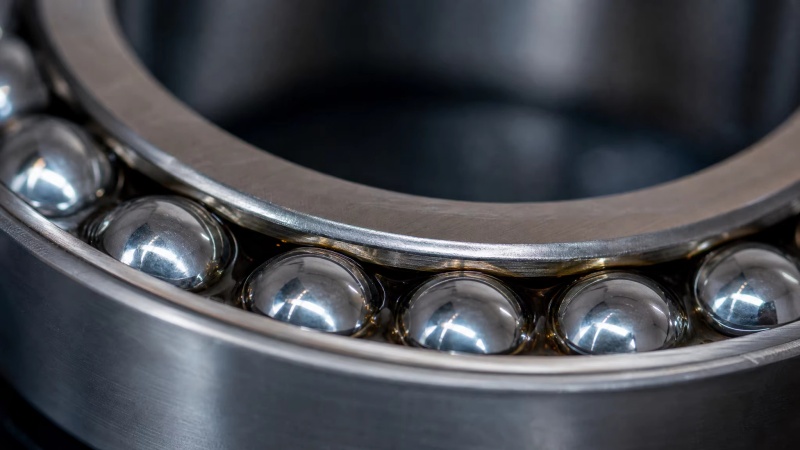
One of the most common applications of steel balls in furniture is in drawer slides. Modern drawer slides often incorporate ball bearings to provide smooth, quiet, and reliable movement. The steel balls within the slide mechanism reduce friction, allowing the drawer to open and close effortlessly, even when loaded with heavy items. This not only improves the user experience but also extends the life of the furniture. High-quality drawer slides with steel ball bearings can handle weights of up to 100 pounds or more, making them suitable for a wide range of applications, from kitchen cabinets to office desks.

Moreover, steel ball drawer slides are designed to be durable and low-maintenance. Unlike traditional metal-on-metal slides, which can wear out quickly and produce noise, ball bearing slides remain silent and functional for years. Many manufacturers offer self-lubricating options, further reducing the need for regular maintenance. This makes steel ball drawer slides an excellent choice for both residential and commercial furniture.
- Swivel Bases
Swivel bases are another area where steel balls excel. Office chairs, dining tables, and bar stools often feature swivel mechanisms that allow users to rotate 360 degrees without strain. Steel ball bearings are used in these mechanisms to ensure smooth, controlled rotation. The balls distribute the load evenly across the base, preventing wobbling or uneven movement. This not only enhances comfort but also increases the stability and safety of the furniture.

In addition to swivel chairs, many modern tables and desks now come with rotating components, such as lazy Susans or adjustable work surfaces. Steel ball bearings make these features possible by providing a reliable and seamless rotational motion. Whether it's a small side table or a large conference table, the inclusion of steel ball bearings ensures that the furniture remains functional and user-friendly.
- Adjustable Feet
Adjustable feet are a common feature in many types of furniture, from sofas and beds to bookshelves and entertainment centers. Steel balls are often used in the adjustment mechanisms of these feet, allowing users to level the furniture on uneven surfaces. The balls provide a smooth, consistent motion, making it easy to raise or lower the furniture as needed. This is particularly useful in homes with hardwood floors or carpets of varying thicknesses.

Adjustable feet with steel ball bearings also offer enhanced durability. Traditional plastic or rubber feet can wear down over time, leading to instability and unevenness. Steel ball bearings, however, are much more resistant to wear and tear, ensuring that the furniture remains stable and secure for years to come. Additionally, the use of steel balls allows for finer adjustments, giving users greater control over the height and angle of the furniture.
- Folding Mechanisms
Folding furniture, such as foldable tables, chairs, and beds, has become increasingly popular due to its space-saving design. Steel balls play a crucial role in the folding mechanisms of these pieces, ensuring that they can be easily opened and closed without compromising structural integrity. The balls help to reduce friction in the hinges and joints, making the folding process smoother and more reliable.
For example, many foldable tables use steel ball bearings in the legs and support structures. When the table is folded, the balls allow the legs to retract smoothly, preventing any sticking or jamming. Similarly, foldable chairs often feature ball bearings in the seat and backrest mechanisms, ensuring that the chair can be easily adjusted to different positions. This not only improves the user experience but also extends the lifespan of the furniture by reducing wear on the moving parts.
Customer Feedback and User Experience
Customers who have purchased furniture with steel ball components have generally reported positive experiences. Many users appreciate the smooth, quiet operation of drawer slides and swivel bases, noting that these features significantly enhance the overall quality of the furniture. The durability of steel ball bearings is also a key selling point, as customers value products that can withstand daily use without losing functionality.
However, some users have mentioned occasional issues such as minor noise or slight resistance in the movement of certain components. These problems are usually related to factors such as improper installation or lack of maintenance. To address these concerns, many manufacturers recommend regular cleaning and lubrication of the steel ball mechanisms. By following these simple maintenance tips, users can ensure that their furniture continues to perform optimally.
Market Trends and Future Potential
The demand for high-quality furniture components, including steel balls, is on the rise. As consumers become more discerning about the products they purchase, there is a growing preference for furniture that is both functional and durable. Steel balls, with their proven track record of reliability and performance, are well-positioned to meet this demand. Many leading furniture brands have already incorporated steel ball components into their product lines, and the trend is expected to continue.
In addition to traditional applications, there is also increasing interest in using steel balls for innovative furniture designs. For example, smart furniture that incorporates automated features, such as motorized drawers or adjustable seating, relies heavily on precision components like steel balls to ensure smooth and reliable operation. As technology advances, we can expect to see more advanced applications of steel balls in furniture, including integrated sensors, wireless controls, and other cutting-edge features.
Environmental considerations are also playing a larger role in the furniture industry. Consumers are increasingly looking for products that are sustainable and eco-friendly. Manufacturers are responding by developing steel balls made from recycled materials or using more energy-efficient production processes. These efforts not only reduce the environmental impact of furniture manufacturing but also appeal to environmentally conscious consumers.
Conclusion
Steel balls have become an indispensable part of the furniture industry, offering numerous benefits in terms of functionality, durability, and user experience. From drawer slides and swivel bases to adjustable feet and folding mechanisms, steel balls enhance the performance of furniture products while providing long-lasting reliability. As the market continues to evolve, we can expect to see even more innovative applications of steel balls in furniture, driven by advancements in technology and changing consumer preferences.
In conclusion, the integration of steel balls in furniture design not only improves the overall quality of the products but also opens up new possibilities for innovation. Whether you're looking for a sleek, modern desk or a comfortable, ergonomic chair, steel balls play a crucial role in ensuring that your furniture performs at its best. As the industry moves forward, steel balls will undoubtedly continue to be a key component in the development of high-quality, functional, and sustainable furniture.
How High-Precision Steel Balls Enhance Performance and Safety in Medical Devices Introduction
Storage and Maintenance Guidelines for Steel Balls: Best Practices for Spare Parts