
What is the heat treatment process and effect of bearing steel ball
author: Changzhou Feige Steel Ball Co., Ltd
2023-12-19
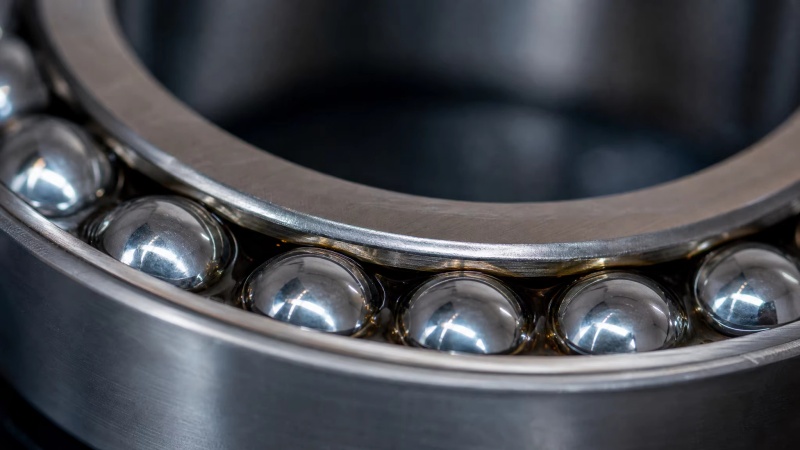
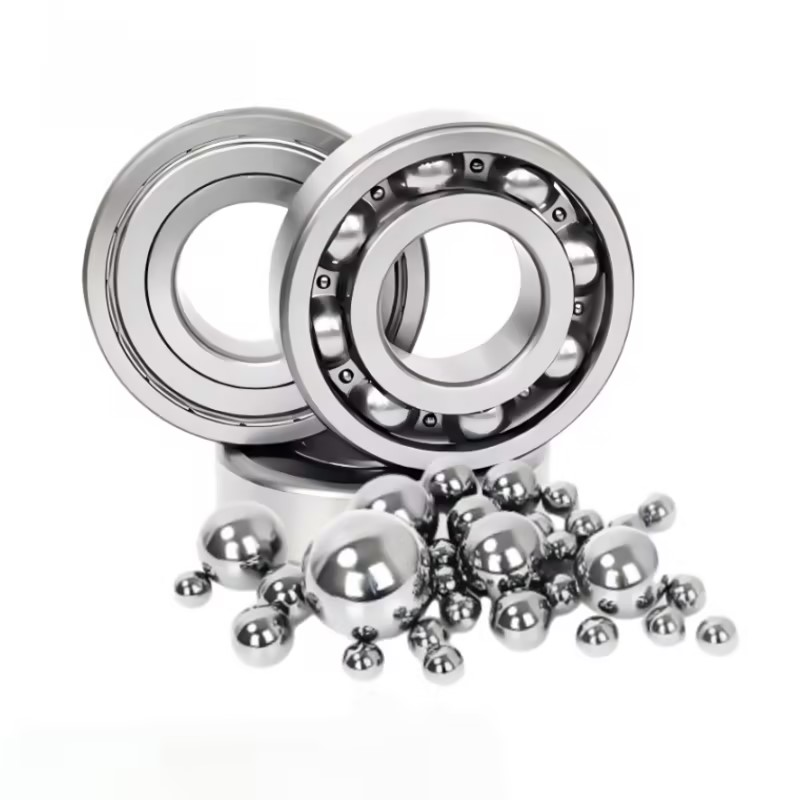
Bearing steel ball It is a common industrial steel ball used for moving parts in bearings and other mechanical equipment. It has the characteristics of high strength, hardness and wear resistance, so the control in terms of process and effect is most important. The following will introduce the heat treatment process and effect of bearing steel balls.
Heat treatment refers to a series of technological processes through the heating and cooling of materials to change the organizational structure and properties of materials.
Heat treatment refers to a series of technological processes through the heating and cooling of materials to change the organizational structure and properties of materials.
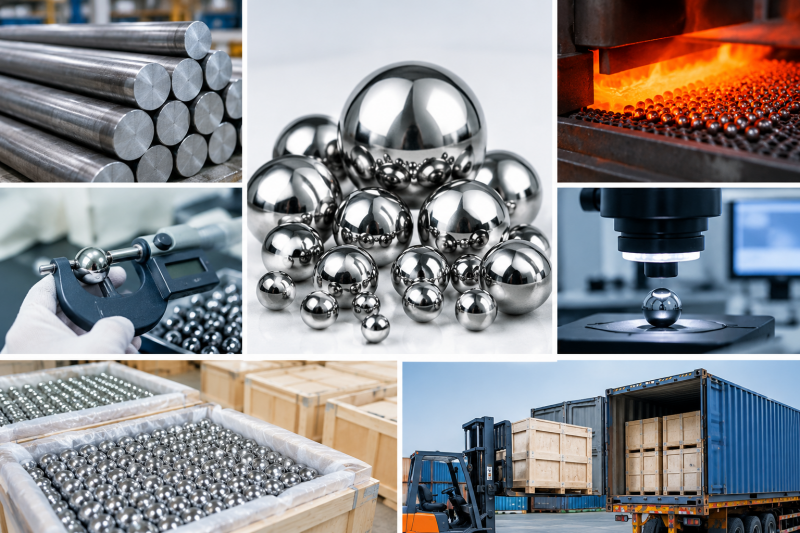
Bearing steel ball The heat treatment process usually includes steps such as tempering, quenching and carburizing.
Tempering is the process of heating the quenched bearing steel ball to a certain temperature, and then cooling it in an appropriate time. The purpose of tempering is to eliminate the internal stress generated during quenching, reduce brittleness, and improve toughness and plasticity.
Tempering is the process of heating the quenched bearing steel ball to a certain temperature, and then cooling it in an appropriate time. The purpose of tempering is to eliminate the internal stress generated during quenching, reduce brittleness, and improve toughness and plasticity.
The tempering temperature and time are generally determined according to the specific composition and requirements of the bearing steel ball. Tempering temperature is too low or time is too short, may lead to the increase of residual stress, insufficient tempering, affect the performance of bearing steel ball; Tempering temperature is too high or the time is too long, it will reduce the hardness and wear resistance. Therefore, the tempering process control is important.
Secondly, quenching is the core heat treatment process of the bearing steel ball, by heating the bearing steel ball to a critical temperature, and then rapidly cooling, so that its organization into martensite or bainite. Quenching can improve the hardness and strength of the bearing steel ball, increase its wear resistance and service life. The cooling medium in the quenching process is usually oil, water or gas, and the appropriate cooling medium is selected according to the specific requirements of the bearing steel ball. The quenching temperature, cooling speed and the choice of cooling medium will have an important impact on the structure and performance of the bearing steel ball. Too high temperature or too fast cooling speed may lead to cracks and deformation; The temperature is too low or the cooling speed is too slow, which will affect the hardness and strength.
Carburizing is a common surface strengthening process, by dipping the bearing steel ball into a compound containing carbon elements for heating treatment, so that carbon elements penetrate the surface of the steel ball, increase its hardness and wear resistance. The temperature, time of carburizing process and the choice of carburizing medium have important effects on the thickness and hardness of carburizing layer. Too high temperature or too long time may lead to percolation, too low temperature or too short time will affect the quality and effect of carburizing layer. Changzhou Feige Steel Ball Co., Ltd introduces the most advanced heat treatment equipment to ensure that the heat treatment process strictly meets the parameter requirements of CQI-9 heat treatment system.
The heat treatment effect of bearing steel balls is usually evaluated by some performance indicators, such as hardness, wear resistance, toughness and so on. The ideal heat treatment effect should be moderate hardness, good wear resistance, and taking into account toughness to ensure the life and reliability of the bearing steel ball during use.
The optimization and control of heat treatment processes and effects requires advanced equipment and technology, as well as experienced operators. In actual production, it is also necessary to adjust and optimize according to specific material and process requirements to ensure that the quality and performance of bearing steel balls meet standards and customer requirements.
The optimization and control of heat treatment processes and effects requires advanced equipment and technology, as well as experienced operators. In actual production, it is also necessary to adjust and optimize according to specific material and process requirements to ensure that the quality and performance of bearing steel balls meet standards and customer requirements.

In summary, the heat treatment process and effect of bearing steel balls are crucial to ensure their performance and life. Through reasonable control of tempering, quenching and carburizing process parameters, the ideal heat treatment effect can be obtained. At the same time, it is necessary to introduce advanced equipment and technology, as well as experienced operators, to continuously improve the quality and performance of bearing steel balls by optimizing and adjusting process parameters.
The utilization of stainless steel balls in correction fluid
What factors determine the price of steel balls?