
200 Series vs. 300 Series Stainless Steel Balls: Key Differences and Applications
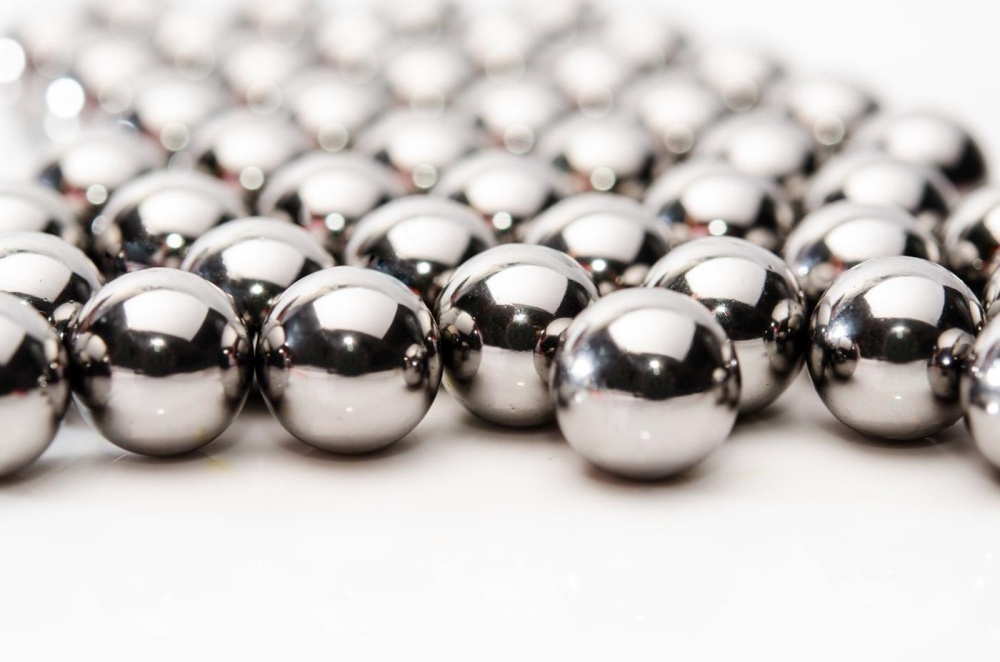
Stainless steel balls are widely used in valves, pumps, fluid control systems, hardware, and various industrial components. Among the available materials, 200 Series and 300 Series stainless steel balls are common choices for applications requiring corrosion resistance and reliable performance.
Although both series offer stainless steel properties, they differ in chemical composition, corrosion resistance, and cost. Understanding these differences helps manufacturers and industrial buyers select the right stainless steel balls for their applications.
1. What Are 200 Series and 300 Series Stainless Steel Balls?
200 Series Stainless Steel Balls
200 Series stainless steel balls, represented here by Grade 201, use manganese and a lower nickel content than typical 300 Series grades. They offer a cost-effective option for applications with moderate corrosion requirements.
Key characteristics:
-
Lower nickel content than typical 300 Series grades.
-
Generally lower material cost.
-
Suitable for selected indoor and low-corrosion environments.
-
Corrosion resistance depends on material composition and operating conditions.
Common applications include hardware components, furniture fittings, general industrial parts, and other applications where severe corrosion is not expected.
300 Series Stainless Steel Balls
300 Series stainless steel balls, including Grades 304 and 316, are based on chromium-nickel stainless steel. Grade 316 also contains molybdenum, which improves resistance to many chloride-containing environments compared with Grade 304.
Key characteristics:
-
Generally better corrosion resistance than Grade 201 in demanding environments.
-
Suitable for a wide range of industrial and fluid-handling applications.
-
Grade 316 is often preferred where additional chloride resistance is required.
-
Material selection should consider the specific chemical environment and service conditions.
Common applications include valves, pumps, fluid control components, and industrial equipment exposed to moisture or certain corrosive substances.
2. 200 Series vs. 300 Series: Key Differences
| Comparison | 200 Series – Grade 201 | 300 Series – Grades 304 / 316 |
|---|---|---|
| Main alloy system | Chromium-manganese-nickel | Chromium-nickel |
| Nickel content | Generally lower | Generally higher |
| Corrosion resistance | Suitable for selected low-corrosion environments | Generally better; Grade 316 offers improved resistance in many chloride environments |
| Material cost | Generally lower | Generally higher |
| Typical environments | Indoor and mild industrial conditions | General industrial, wet, and selected corrosive environments |
| Common applications | Hardware and general industrial components | Valves, pumps, fluid control, and industrial components |
Important: Actual performance depends on the precise material grade, manufacturing quality, surface condition, and operating environment. Neither series should be selected based on price alone.
3. How to Choose the Right Stainless Steel Balls
When sourcing stainless steel balls, buyers should consider the following factors:
1. Corrosion resistance
Choose Grade 201 for suitable low-corrosion applications where cost is a priority. Consider Grade 304 or 316 when the operating environment requires greater corrosion resistance.
2. Application requirements
Confirm whether the balls will be used in valves, pumps, hardware, fluid control systems, or other industrial components.
3. Dimensions and precision
Specify the ball diameter, dimensional tolerance, precision grade, and surface finish required for your application.
4. Material verification
Ask the supplier to confirm the material grade and provide relevant material documentation or inspection reports when required.
5. Total cost
Evaluate the initial purchase price alongside service conditions, maintenance needs, and expected product life.
4. Applications of 200 Series and 300 Series Stainless Steel Balls
The two series serve different needs depending on the required corrosion resistance and budget.
-
200 Series stainless steel balls: Suitable for selected hardware, furniture fittings, and general industrial components operating in mild environments.
-
300 Series stainless steel balls: Commonly used in valves, pumps, fluid control equipment, and applications requiring better corrosion resistance.
These products are not automatically interchangeable. Buyers should verify material compatibility and performance requirements before changing grades.
5. Conclusion
The main difference between 200 Series and 300 Series stainless steel balls lies in their alloy composition, corrosion resistance, and cost.
Grade 201 provides an economical option for suitable low-corrosion applications, while Grades 304 and 316 are generally preferred when greater corrosion resistance is required.
For industrial buyers, the right choice depends on the application environment, required specifications, and budget.
SAIGE offers stainless steel ball solutions for various industrial applications. Contact our team to discuss available material grades, dimensions, precision requirements, and product specifications.
Ceramic Balls vs. Steel Balls: Performance Differences and Application Considerations
Related Article